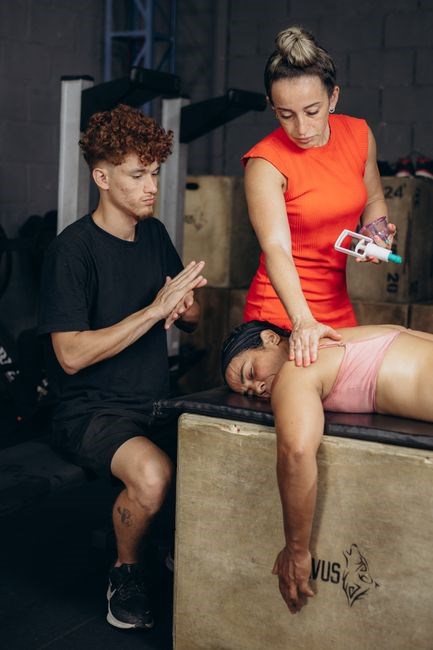
Selective Functional Movement Assessment Overview
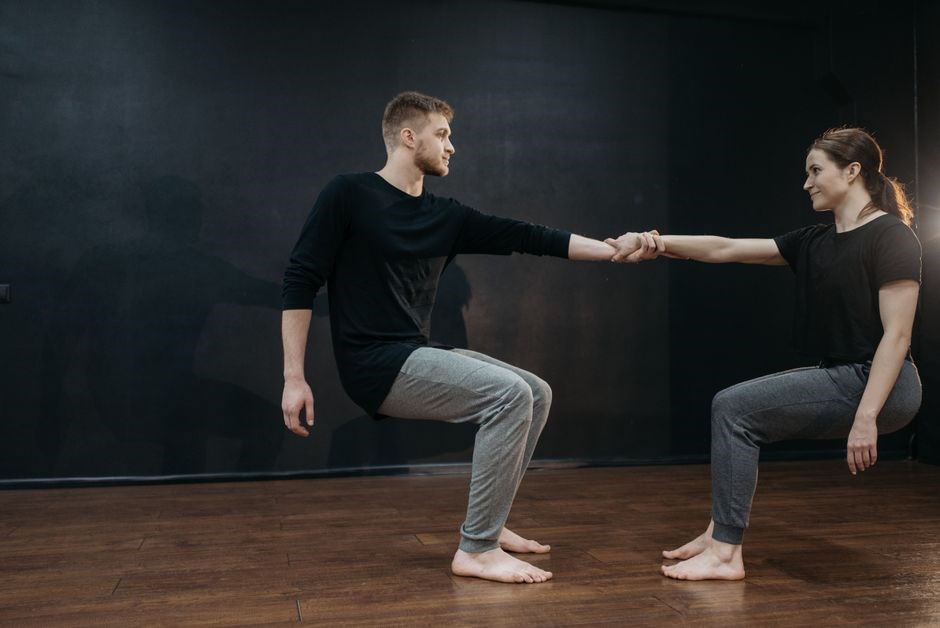
Selective Functional Movement Assessment PDFs provide clinicians with standardized screening tools‚ scoring sheets‚ and interpretation guides. Downloadable from official sites‚ they include step‑by‑step protocols‚ sample videos‚ and data‑entry templates for accurate movement analysis. Clinicians export data daily.
Definition and Purpose
The Selective Functional Movement Assessment (SFMA) is a systematic‚ evidence‑based screening tool that evaluates movement patterns across the body. It identifies compensatory strategies‚ joint restrictions‚ and neuromuscular deficits that may predispose to injury or limit performance.
Its primary purpose is to inform individualized treatment plans‚ guide rehabilitation protocols‚ and optimize performance by targeting specific movement dysfunctions. The assessment helps clinicians prioritize interventions based on functional deficits.
The PDF format consolidates the core movement screening protocol‚ scoring rubric‚ and interpretive guidance into a single portable document. It includes diagrams‚ example video links‚ and a quick‑reference scoring cheat sheet‚ ensuring reliable application even for novice users.
Clinicians use the SFMA PDF to document baseline movement quality‚ track progress‚ and adjust treatment strategies. In sports settings‚ it informs training modifications to reduce injury risk and enhance performance.
By integrating the SFMA PDF into routine evaluations‚ practitioners systematically assess movement quality‚ identify deficits‚ and implement targeted interventions that promote optimal movement efficiency and long‑term musculoskeletal health. The PDF also supports data export to electronic health records‚ facilitating longitudinal analysis and research collaboration.

Historical Development
The Selective Functional Movement Assessment (SFMA) emerged in the early 2000s as a response to the growing need for a comprehensive‚ evidence‑based movement screening protocol. Dr. John M. McGilland Dr. Stuart McGill‚pioneers in biomechanics‚first identified key movement patterns that predict injury risk.Building on the McGill Foundation’s work‚Dr. James R. Andrewsand Dr. David G. McGill refined the assessment into a structured set of ten movement screens‚each designed to isolate specific jointand muscle groups.
Initial prototypes were distributed as handwritten worksheets‚ but the rapid rise of digital health in the 2010s prompted the development of a PDF version. The PDF format standardized the protocol‚ incorporated high‑resolution diagrams‚ and allowed for embedded hyperlinks to instructional videos. By 2015‚ the SFMA PDF was adopted by major sports medicine associations and integrated into electronic health record systems.
Over the past decade‚ iterative revisions have expanded the assessment to include additional screens for the upper extremity and core stability. The latest 2024 edition features a modular scoring system that aligns with contemporary research on motor control and injury prevention. The PDF’s open‑access licensing has facilitated widespread dissemination‚ enabling clinicians worldwide to implement the SFMA without costly licensing fees.
Today‚ the SFMA PDF remains a cornerstone of functional movement screening‚ bridging the gap between research and clinical practice while providing a flexible‚ user‑friendly tool for practitioners across diverse settings.
Assessment Components
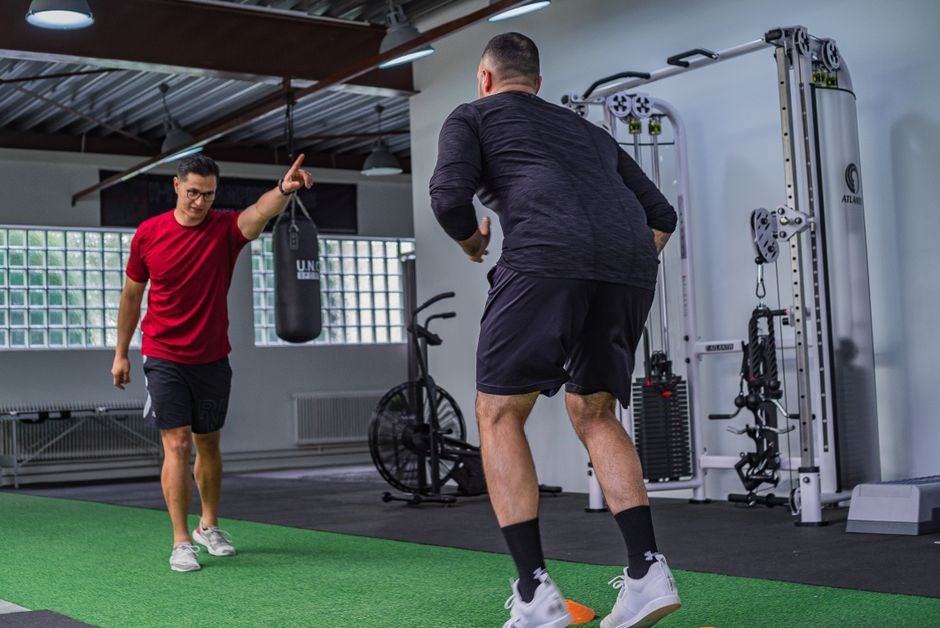
The SFMA PDF outlines three core components: movement screening tests‚ a scoring rubric‚ and interpretation guidelines. Each test targets specific joints‚ while the rubric assigns numeric values to assess functional deficits. Interpretation links scores to injury riskand rehab plans
Movement Screening Tests
Selective Functional Movement Assessment (SFMA) PDFs present a structured series of movement screening tests designed to evaluate the integrity of the musculoskeletal and nervous systems. The core tests—such as the shoulder complex‚ thoracic spine‚ lumbar spine‚ hip‚ knee‚ and ankle—are each broken into sub‑movements that isolate joint mechanics‚ muscle activation patterns‚ and neuromuscular control. Each test is performed in a standardized position‚ with the examiner applying controlled forces to assess pain‚ restriction‚ or compensatory movement. The PDF includes detailed diagrams‚ step‑by‑step instructions‚ and video links that demonstrate proper technique‚ ensuring consistency across practitioners. Scoring is binary for each sub‑movement: 1 indicates normal function‚ 0 indicates dysfunction. A cumulative score is calculated for each joint region‚ allowing clinicians to identify specific deficits and prioritize intervention. The assessment also incorporates a “functional movement screen” that evaluates whole‑body coordination‚ such as the squat‚ lunge‚ and shoulder mobility tests‚ providing a holistic view of movement quality. The PDF’s interactive form fields enable real‑time data entry‚ automatically generating a summary report that highlights key findings and recommended next steps. This digital integration streamlines documentation‚ facilitates longitudinal tracking‚ and supports evidence‑based decision‑making in both clinical and athletic settings. By adhering to the SFMA protocol‚ practitioners can detect subtle movement impairments that precede injury‚ tailor rehabilitation programs‚ and monitor progress with objective metrics. The PDF’s layout and interface make it key for therapists‚ scientists‚ and specialists to improve performance and reduce risk.
Scoring Criteria and Interpretation
In the Selective Functional Movement Assessment PDF‚ scoring follows a binary system: each sub‑movement receives a 1 for normal function or a 0 for dysfunction. The examiner records the score in the digital form‚ which automatically totals the results for each joint region—shoulder‚ thoracic spine‚ lumbar spine‚ hip‚ knee‚ and ankle. A cumulative score of 6 indicates all sub‑movements are normal‚ while a score of 0 signals complete dysfunction. Interpretation thresholds are set at 5–6 (normal)‚ 3–4 (moderate dysfunction)‚ and 0–2 (severe dysfunction). The PDF’s algorithm flags any region scoring below 5‚ prompting a targeted intervention plan. Clinicians can view a color‑coded heat map that highlights problem areas‚ facilitating communication with patients and interdisciplinary teams. The scoring sheet also includes a “functional movement screen” section‚ where the total score is converted into a percentile rank relative to normative data. This percentile provides context for athletic performance or rehabilitation progress. The PDF’s built‑in comments field allows the examiner to note specific compensations‚ pain locations‚ or biomechanical observations‚ enriching the quantitative data. When the assessment is completed‚ the PDF generates a downloadable PDF report that summarizes the scores‚ highlights deficits‚ and recommends next steps such as manual therapy‚ strengthening‚ or neuromuscular re‑education. The report can be shared electronically with patients‚ coaches‚ or other healthcare providers‚ ensuring continuity of care. By adhering to these scoring criteria‚ practitioners maintain consistency across sessions‚ enabling reliable longitudinal tracking and evidence‑based decision making. Clinicians can also customize the scoring thresholds to align with specific therapeutic goals‚ ensuring that the assessment remains both precise and populations.!

PDF Resources
Official PDFs are available from the governing body’s website‚ offering downloadable forms‚ scoring sheets‚ and instructional videos. Users can access them via a secure portal‚ ensuring up‑to‑date versions and compliance with licensing terms. Download links are protected by a secure login
Obtaining Official PDFs
Access to the official selective functional movement assessment PDF library is streamlined through the governing organization’s online portal. After registering with a valid professional credential‚ users receive a unique access code that unlocks a secure download area. Within this area‚ the PDF files are organized by assessment type‚ version‚ and year‚ allowing practitioners to locate the most recent iteration of the movement screen‚ scoring rubric‚ and interpretation guide. Each PDF includes embedded hyperlinks to video demonstrations‚ printable worksheets‚ and a QR code that links to a mobile app for real‑time data entry. The portal also offers a version‑control log‚ detailing revisions‚ updates‚ and the rationale behind each change. For institutions‚ bulk download options are available via a separate API‚ which returns a compressed archive of all PDFs in a single request. Users must comply with the licensing agreement‚ which prohibits redistribution without explicit permission. The portal’s authentication system supports two‑factor verification‚ ensuring that only authorized clinicians can access the documents. In addition‚ the site provides a “request a new version” feature‚ where practitioners can submit feedback or request updates for specific assessment components. All requests are tracked in a ticketing system‚ and the organization typically responds within 48 hours. Finally‚ the PDFs are PDF‑A compliant‚ ensuring long‑term archiving compatibility with electronic health record systems and legal compliance for audit purposes. The organization also hosts a quarterly webinar series that walks users through the PDF content‚ best practices for scoring‚ and common pitfalls to avoid during assessment. Download links are protected by a secure token that expires after 30 days‚ encouraging users to refresh their credentials regularly. For those who prefer a hard copy‚ the portal offers a print‑ready version that includes page numbers and a watermark indicating the version date. All PDFs are available in both English and Spanish‚ with the Spanish version mirroring the English layout to maintain consistency in scoring. The portal’s help center includes a searchable FAQ‚ troubleshooting guides‚ and a community forum where clinicians can discuss interpretation nuances. If a file fails to download‚ users can contact support via a live chat widget that provides instant assistance and file recovery options.
Digital Features and Accessibility
Modern selective functional movement assessment PDFs are engineered for seamless integration into digital workflows. Each document is built on the PDF/A‑2b standard‚ guaranteeing long‑term preservation while supporting full‑text search and optical character recognition. Interactive form fields allow clinicians to enter scores directly‚ with auto‑calculation of composite risk indices and color‑coded alerts that flag abnormal values. Embedded JavaScript validates entries in real time‚ preventing typographical errors and ensuring data integrity before export. The PDFs also contain hyperlinked navigation panels that provide instant access to the assessment protocol‚ scoring rubric‚ and evidence‑based interpretation guidelines. A built‑in “quick‑view” overlay displays a short video clip of each movement task‚ synchronized with the corresponding test section‚ so practitioners can verify technique without leaving the document. Accessibility is a core design principle: the files include tagged structure‚ logical reading order‚ and full compliance with WCAG 2.1 AA. Screen readers can navigate headings‚ tables‚ and form fields‚ while high‑contrast mode and adjustable font sizes enhance readability for users with visual impairments. The documents are also compatible with popular electronic health record (EHR) systems; a dedicated API endpoint accepts JSON payloads of scored data‚ allowing automatic population of patient charts. Finally‚ the PDFs also feature a built‑in export to CSV‚ enabling seamless transfer of data to analytics platforms. Daily.
Clinical Implementation
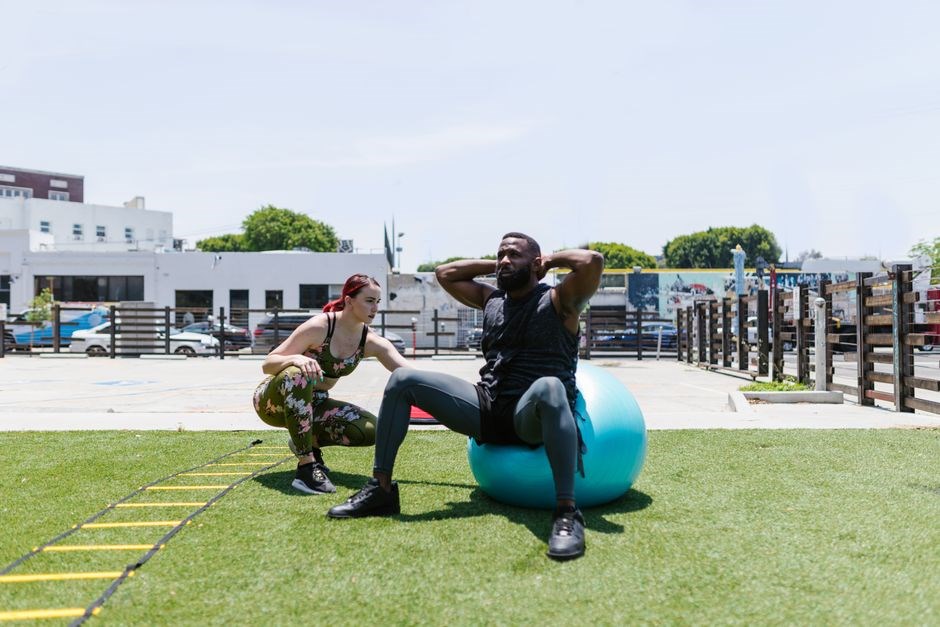
Clinicians download the PDF‚ complete the interactive form‚ and export results to the EHR. The tool’s real‑time scoring flags high‑risk movements‚ guiding targeted rehab plans. Integration with mobile apps allows remote monitoring and progress tracking. Remote sync aids care!!?
Physical Therapy Settings
In outpatient clinics‚ therapists download the selective functional movement assessment PDF‚ print the scoring sheet‚ and perform the 11‑item screen during intake. The PDF’s embedded video links demonstrate proper technique‚ ensuring consistency across practitioners. After each session‚ the therapist fills out the digital form‚ which auto‑calculates a composite score and flags asymmetries. Results are exported to the electronic health record (EHR) via secure API‚ where the data populate a patient dashboard. This dashboard displays trend graphs‚ allowing the therapist to monitor progress over weeks. The PDF also includes a “rehab prescription” template that automatically generates individualized exercise plans based on the score thresholds. Therapists can customize the plan within the PDF‚ then email it to the patient or upload it to a patient portal. During follow‑up visits‚ the therapist compares the new score to the baseline‚ adjusting the plan accordingly. The PDF’s audit trail records who accessed the file and when‚ supporting compliance with HIPAA. In group settings‚ therapists screen multiple patients‚ then aggregate data to identify common deficits. The PDF’s compatibility with tablets and smartphones makes it ideal for home‑based assessments‚ where patients record videos and upload them for remote review. Remote workflow cuts visits‚ boosts engagement‚ improves adherence now!!. Overall‚ the selective functional movement assessment PDF streamlines data capture‚ enhances communication among care team members‚ and supports evidence‑based practice in physical therapy.
Sports Performance Coaching
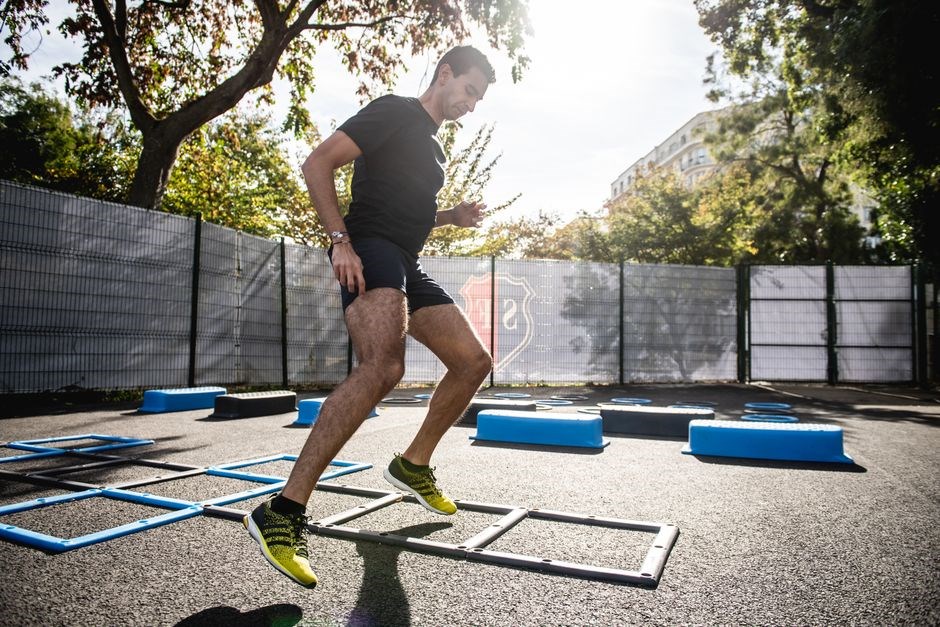
The selective functional movement assessment PDF is a cornerstone for performance coaches seeking to identify movement inefficiencies that compromise athletic output. Coaches first download the PDF from the official repository‚ then print the test sheet or use the embedded QR code to launch the mobile app. During a pre‑season assessment‚ the athlete completes the 11‑item screen while the coach records each movement in real time. The PDF’s built‑in scoring algorithm assigns a composite score and highlights asymmetries‚ which the coach immediately visualizes on the on‑screen dashboard. These data are then exported to a cloud‑based analytics platform that tracks longitudinal changes across seasons. By integrating the PDF with wearable motion sensors‚ coaches can correlate raw joint angles with the assessment scores‚ refining training loads. The PDF also contains a “performance prescription” template; coaches fill in sport‑specific drills‚ load limits‚ and progression criteria‚ then email the plan to the athlete’s mobile device. During follow‑up sessions‚ the coach compares the new score to baseline‚ adjusting the drill intensity or volume accordingly. The PDF’s audit trail records every interaction‚ ensuring compliance with NCAA and NCAA‑approved training protocols. In group settings‚ coaches screen multiple athletes simultaneously‚ then use the PDF’s export function to generate a cohort report that identifies common deficits across the team. This report informs team‑wide conditioning programs and injury prevention strategies. The PDF’s compatibility with tablets and smartwatches allows athletes to perform self‑screening during travel‚ providing coaches with up‑to‑date data without requiring clinic visits. Coaches also use the PDF’s interactive checklists to verify that each movement is performed under controlled conditions‚ thereby reducing variability and ensuring reliable data. The PDF’s cloud sync feature allows real‑time updates‚ so if an athlete’s score changes during a training camp‚ the coach receives an instant notification and can adjust the plan on the fly. The PDF’s multilingual support ensures that international athletes can complete the assessment in their native language‚ promoting inclusivity and accurate data collection across diverse teams. The selective functional movement assessment PDF enhances precision‚ accountability‚ and evidence‑based decision‑making in sports performance coaching‚ ultimately elevating athletic performance while mitigating injury risk.
Limitations and Future Research
The PDF format limits dynamic interactivity and real‑time analytics‚ reducing assessment accuracy. Future research should explore AI‑driven scoring algorithms and integrate wearable data to enhance precision and broaden applicability across sports disciplines. More data.!!
Validity Concerns
While the selective functional movement assessment PDF offers a convenient‚ standardized format for clinicians‚ several validity concerns arise that warrant careful consideration. First‚ the static nature of the PDF limits the ability to capture dynamic‚ real‑time biomechanical data‚ which can lead to incomplete or misleading interpretations of movement quality. Second‚ the reliance on observer‑based scoring introduces inter‑rater variability‚ especially when assessors lack extensive training or when the PDF does not provide video examples for reference. Third‚ the assessment’s sensitivity to subtle asymmetries or compensatory patterns is constrained by the predetermined set of movement screens‚ potentially overlooking individualized risk factors that are not represented in the standardized protocol. Fourth‚ the absence of normative data within the PDF restricts clinicians from benchmarking patient performance against population‑based standards‚ thereby reducing the clinical relevance of the results. Fifth‚ the PDF format does not support integration with electronic health record systems or data analytics platforms‚ which limits longitudinal tracking and outcome measurement. Finally‚ cultural and demographic factors are not accounted for in the assessment criteria‚ raising questions about its applicability across diverse patient groups. In addition‚ the PDF’s lack of interactive elements prevents immediate feedback to patients‚ to prescribed corrective exercises. Incorporating adaptive feedback loops could mitigate this limitation.
Emerging Technological Enhancements
In recent years‚ the selective functional movement assessment PDF has been enriched by a suite of digital tools that elevate both precision and accessibility. First‚ cloud‑based platforms now host interactive versions of the PDF‚ allowing clinicians to annotate directly on scanned images‚ embed video clips‚ and link to external databases. These platforms support real‑time collaboration‚ so a physical therapist in New York can review a patient’s screen with a sports coach in Barcelona within seconds. Second‚ machine‑learning algorithms are being trained on thousands of movement videos to automatically detect deviations from normative patterns. When a clinician uploads a video of a patient performing the deep squat screen‚ the algorithm highlights asymmetries‚ assigns a severity score‚ and recommends corrective exercises—all within the same interface. Third‚ wearable inertial measurement units (IMUs) can feed raw kinematic data into the PDF’s scoring sheet‚ replacing manual observation with objective metrics such as joint angles‚ velocity‚ and acceleration. Integration with mobile apps enables patients to perform self‑screening at home‚ with data transmitted securely to the clinician’s dashboard. Fourth‚ augmented reality (AR) overlays can guide patients through each movement‚ providing visual cues for proper alignment and real‑time feedback on form. Fifth‚ blockchain technology is being explored to ensure the integrity of assessment data‚ preventing tampering and enabling secure sharing among multidisciplinary teams. Finally‚ open‑source APIs allow researchers to pull anonymized datasets from the PDF ecosystem‚ fostering large‑scale studies on movement dysfunction and the development of predictive models. Together‚ these innovations transform a static PDF into a dynamic‚ data‑rich ecosystem that supports evidence‑based practice continuous learning personalized rehabilitation pathways.