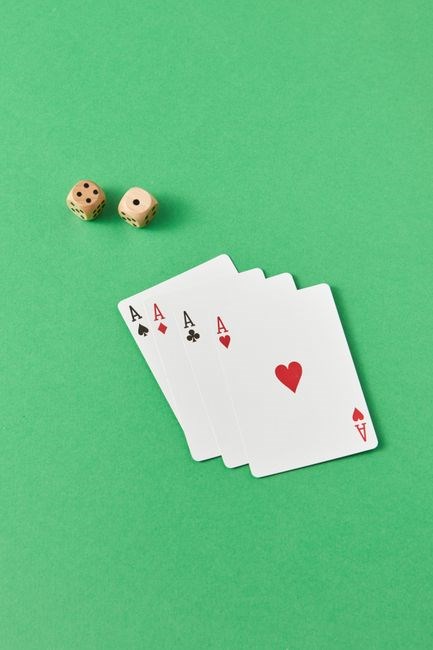
Printable Bunco score sheets in PDF format simplify tracking points during game nights. They offer clear layouts for player names, rounds, and totals, ensuring accurate record‑keeping. Available on Amazon and Etsy, these templates can be customized in Canva before printing. Free PDFs keep scoring simple now.!!

What is Bunco?
Bunco is a lively dice game that blends luck, strategy, and friendly competition. Played with four players in teams of two, the game unfolds over four rounds, each round focusing on a different target number (1 through 4). Players roll three dice, aiming to match the round’s number; each match earns points, while a “Bunco” (three matching dice) awards bonus points. The objective is simple: accumulate the highest score by the end of the fourth round. The game’s charm lies in its quick pace, easy rules, and the social buzz it creates at family gatherings or parties. Printable Bunco score sheets in PDF format streamline the experience by providing a clean, organized layout for recording each player’s points, round totals, and overall standings. These PDFs can be downloaded, printed, and reused, ensuring that every game night stays smooth and accurate without the hassle of manual calculations. Whether you’re a seasoned player or new to the game, having a ready‑made score sheet makes tracking progress effortless and keeps the focus on the fun and camaraderie that Bunco delivers.
These PDF score sheets are designed for quick printing on standard 8.5×11 inch paper, ensuring each player’s marks fit neatly on the grid. The layout typically includes columns for rounds, points earned, and cumulative totals, allowing players to update scores by hand during gameplay. Because the sheets are reusable you can simply erase and refill them for future sessions making them a cost‑effective and eco‑friendly choice for regular Bunco gatherings today. daily

Importance of Score Tracking
In Bunco, points are awarded for matching dice and bonus scores for a full set, so an accurate record is vital. Printable PDF score sheets give a ready‑made grid that captures every roll, each round’s total, and the cumulative score for all players. This detail eliminates guesswork that can arise when players rely on memory or informal notes. By recording scores as they happen, participants can instantly verify that the correct points have been added, preventing disputes that might otherwise derail a friendly gathering. The PDF format offers flexibility: sheets can be printed on standard 8.5×11 paper, resized, or duplicated for larger groups, ensuring every table has a clear, legible record. Consistent tracking sharpens the game’s competitive edge. Players see how close they are to the next round’s target, adjust strategy, and celebrate milestones such as a first “Bunco” or a streak of high rolls. For hosts, a printed sheet removes the need for spreadsheets or manual tallying, allowing focus on hospitality and game flow. A complete score log can be reviewed after the session to highlight patterns, celebrate achievements, or plan future challenges. Additionally, the PDF sheet’s digital nature means it can be stored on a tablet or printed multiple times for different groups, ensuring consistency across sessions. The clear layout aids newcomers, letting them focus on gameplay rather than bookkeeping, which enhances overall enjoyment and encourages repeated play. Such precise tracking also helps new players learn the scoring system faster, making the game more inclusive and enjoyable for everyone everywhere today. Enjoy the game! See you next time!!! Play, laugh, win! and repeat!!

Choosing the Right Printable PDF Format
Selecting the correct printable PDF format ensures clarity and ease of use. PDFs preserve layout, support high printing, and are universally compatible. Unlike PNGs, PDFs maintain vector quality, preventing pixelation on larger sheets. Many sellers offer 8.5×11 PDFs that can be edited in Canva today now printing again
File Types: PDF vs PNG
Choosing the right file format is essential for a smooth Bunco experience. PDF files are the industry standard for printable documents because they retain the original layout, fonts, and graphics across all devices and printers. When you download a PDF score sheet, you can be confident that the table borders, player name fields, and score columns will appear exactly as intended, regardless of whether you print on a home printer or a commercial machine. PDFs also support vector graphics, which means the sheet can be scaled to any size without losing clarity, making it ideal for large group gatherings or for printing multiple copies on a single sheet. PNG files, on the other hand, are raster images. They are great for quick sharing on social media or for embedding in digital presentations, but they lose quality when printed at larger sizes. A PNG score sheet may look crisp on a screen, yet the pixelated edges can become distracting when printed on high‑resolution paper. Additionally, PNGs do not preserve editable layers, so if you need to add or modify player names or round numbers after printing, you would have to start over with a new file. For most Bunco parties, the PDF format offers the best balance of fidelity, flexibility, and ease of use. It ensures that every player’s score is tracked accurately, the sheet is printable on any standard printer, and the layout remains consistent across different operating systems. If you prefer a more visual format for digital use, PNG can complement the PDF by providing a shareable snapshot of the final scores, but it should not replace the primary printable document. Moreover, PDFs can be password‑protected, ensuring that only authorized participants can view or edit the scores. This feature is useful for maintaining privacy during competitive gatherings. In contrast, PNG files lack such security controls, making them less suitable for confidential scorekeeping. Finally, most PDF readers automatically open the file in a printable mode, streamlining the transition from digital to physical score sheets. PNGs, especially high‑res ones, can quickly balloon to several megabytes, slowing sharing via email or cloud. PDF files are universally supported by Windows, macOS, Linux, and mobile platforms, ensuring all participants can open and print the sheet without compatibility issues. PNG files may require specific viewers or may not print correctly if the printer driver misinterprets the format. Thus, for a reliable, low friction Bunco session, PDF remains the preferred choice for score sheets now today.
Page Size and Layout Considerations
When designing a printable Bunco score sheet, the choice of page size and layout directly influences readability and usability during a game night. A standard 8.5×11 inch sheet offers ample space for up to eight players, with separate columns for each round and a final total. For larger groups, a 11×17 inch layout can accommodate more columns without crowding, while still fitting on most printers. The orientation—portrait versus landscape—also matters; portrait is more familiar for most users, but landscape allows a wider table that can be read from a distance. Margins should be set at least one inch on all sides to prevent clipping when printed, and the table grid should use bold borders for clarity. A well‑balanced layout places the game title and instructions at the top, followed by a header row for player names, then rows for each round, and a final row for totals. Using alternating background colors for rows improves legibility, especially when scores are written by hand. Finally, ensure that the font size is at least 10 points for printed text, and that the table cells are large enough to hold handwritten numbers without overlap. By carefully selecting page size, orientation, margins, and grid design, you create a score sheet that is both functional and visually appealing, making the Bunco experience smoother for all participants.
Use thick paper to prevent ink bleed and allow clear writing with markers. A sturdy sheet resists tearing during fast rounds, ensuring longevity across sessions. A small reference guide on the back—point values for each die face—keeps the game flowing smoothly!!

Popular Sources for Bunco Score Sheets
Amazon offers “Bunco Score Sheets” PDFs by Publishing featuring clean tables and free shipping. Etsy Canva‑editable templates in PDF and PNG, letting users personalize names and rounds before printing. Both are reliable, ready‑to‑use options. Enjoy quick setup.!!
Amazon Listings (Publishing, Ish)
Amazon’s “Bunco Score Sheets” by Publishing, Ish delivers a ready‑to‑print PDF that captures every roll, round, and total. The design features a clean grid for four players, separate columns for each of the six rounds, and a final tally area. Each sheet is sized 8.5″×11″, making it perfect for standard printers. After purchase, the PDF downloads instantly, and the file is free of watermarks, ensuring a professional look. The listing highlights free shipping on qualifying orders, which is a bonus for bulk purchases. Users can print multiple copies from a single file, ideal for parties or tournaments. The PDF’s layout is simple yet comprehensive, with clear headings for “Player,” “Round 1,” “Round 2,” etc., and a “Total” column that automatically sums the scores. The file is lightweight, so it loads quickly and can be shared via email or cloud storage. The product description notes that the sheets are printable in both portrait and landscape orientations, giving flexibility for different table setups. The listing also mentions that the PDF can be opened in any standard PDF viewer, including Adobe Acrobat Reader, Preview on macOS, or even mobile apps. The design is printable on both color and black‑and‑white printers, so you can choose a high‑contrast version if you prefer. The file is compatible with most operating systems, and it comes with a user guide that explains how to fill in the scores manually or use a stylus on a tablet. The product’s reviews praise its clarity and ease of use, with many reviewers noting that the sheets help keep the game moving smoothly. Overall, Amazon’s offering provides a convenient, cost‑effective solution for anyone looking to streamline Bunco scoring without the hassle of custom design work.
Etsy Templates (Canva Editable)
On Etsy, a variety of Bunco score sheet templates are available that can be edited directly in Canva. These templates come in both PDF and PNG formats, with dimensions of 8.5″×11″ for standard printing. The Canva‑editable files allow users to add their own player names, adjust font styles, and change color schemes to match a party’s theme. Each template includes a dedicated section for the game’s six rounds, a total score column, and optional spaces for bonus points or penalties. After downloading the ZIP file from Etsy, users can upload the design to Canva, where they can replace placeholder text with actual player names and customize the layout. The templates are designed to be printer‑friendly, featuring high‑resolution graphics that remain crisp when printed on both inkjet and laser printers. Additionally, the files are compatible with the free Canva version, but premium users can access extra elements such as icons and decorative borders. The Etsy listings typically include a quick‑start guide that explains how to import the design into Canva, how to edit text boxes, and how to export the final version as a PDF for printing. Many sellers offer instant download, so there is no waiting time after purchase. Users can also print multiple copies from a single PDF, making it convenient for larger gatherings or tournaments. The templates are often updated to reflect new Bunco rules or scoring variations, ensuring that the sheets stay relevant for both casual and competitive play. These templates let multiple users update scores in real time on a screen!! Enjoy seamless play!

Customizing Your Score Sheet
Use Canva to personalize printable Bunco PDFs: add player names, adjust fonts, change colors, and insert logos. Export as PDF for crisp printing. Templates from Etsy let you edit directly, ensuring a unique look for each game night. Print on cardstock for durability. Share!!.
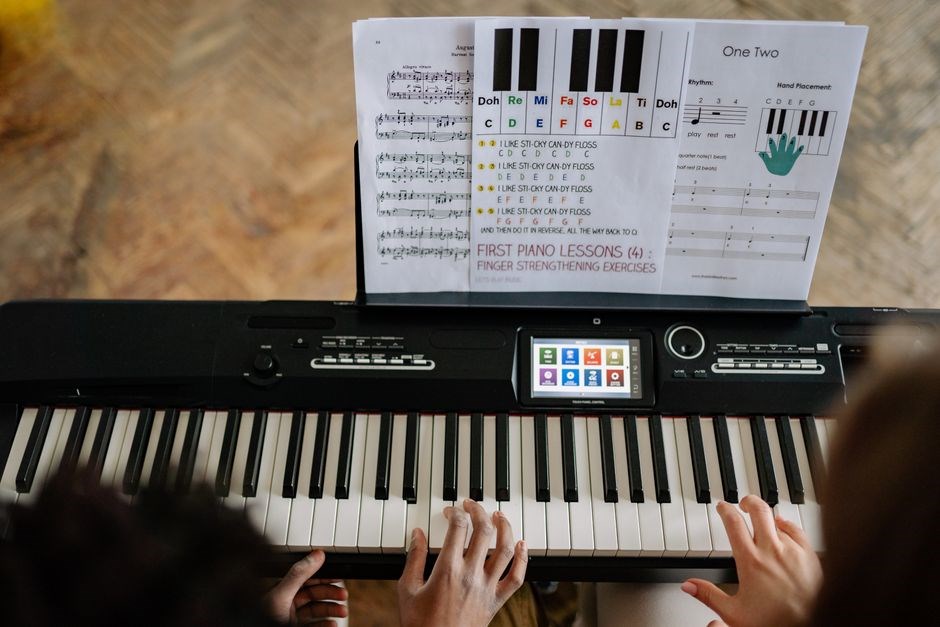
Using Canva for Personalization
Canva offers a free, web‑based design platform that lets users transform standard Bunco PDF sheets into customized scorecards. By uploading the template file from Etsy or Amazon, you can edit text fields, replace placeholder names with actual player titles, and rearrange columns to match your preferred layout. Canva’s drag‑and‑drop interface supports adding logos, changing font styles, and adjusting color schemes to match party themes or team colors. The PDF format ensures compatibility across devices, allowing you to print on home printers or professional services, and the editable layers in Canva let you tweak margins, add decorative borders, or include QR codes linking to score summaries, making each sheet a personalized keepsake for your Bunco club. After each game, you can quickly scan the sheet with a smartphone to upload scores to a shared Google Sheet, ensuring real‑time updates for all participants. and celebrate!.
Once the design is complete, export the file as a high‑resolution PDF. This ensures that printed copies retain sharp lines and legible numbers, even when printed on thicker cardstock. Canva also provides a “Print” service that ships the finished sheets directly to your address, eliminating the need for a local printer. If you prefer to print at home, simply download the PDF and use your own printer settings for optimal quality.
For advanced users, Canva Pro unlocks additional assets such as premium stock images, advanced typography, and brand‑kit features. However, the free tier is sufficient for most Bunco score sheet customizations, offering a balance of flexibility and ease of use.
Adding Player Names and Game Details
When using a printable Bunco score sheet in PDF format, the first step is to populate each player slot with accurate names. Most templates from Etsy or Amazon feature placeholder text such as “Player 1” or “Name.” Replace these with the actual participants’ names before printing. This ensures that scores are correctly attributed and eliminates confusion during the game. Additionally, you can insert the date, location, and host name at the top of the sheet to create a record that can be referenced later. Many printable PDFs allow you to edit the header area in Canva or a PDF editor, so simply click the text box, type the details, and save the file. If you prefer a more dynamic approach, use a spreadsheet to auto‑populate the names and then import the data into the PDF via a mail merge feature in a program like Adobe Acrobat. This method is especially useful for large tournaments where player rosters change each week. Once the names are set, double‑check that each column aligns with the correct round numbers. The standard Bunco format includes four rounds, so ensure that the “Round 1,” “Round 2,” “Round 3,” and “Round 4” headings are present and that the total score column is positioned at the far right. After confirming the layout, print the sheet on a high‑quality printer or use a professional printing service to guarantee crisp lines and legible numbers. Finally, keep a backup copy of the PDF in a cloud folder so you can reuse the same template for future game nights, saving time and maintaining consistency across events. Enjoy your game!—Havefun!.
Printing and Using the Score Sheet
Print the PDF on a 8.5×11 sheet, keeping lines sharp. Use a dark pen to mark scores, avoiding ink bleed. Store the sheet flat in a folder for reuse, and consider laminating it for durability. Record totals in the final column and tally winners at the table Use a ruler!
Print Settings for Accuracy
Before printing a Bunco score sheet, open the PDF in a viewer that preserves layout. Select the correct paper size—most printable sheets are designed for standard 8.5″×11.00″ US Letter. In the print dialog, choose “Actual Size” or “100 %” scaling to avoid stretching the grid. Set margins to 0.5″ on all sides; larger margins can truncate player names or round columns. For best clarity, use a high‑resolution printer (at least 600 dpi) and choose a thick, matte paper to reduce ink bleed. In the “Printer Properties” window, set the paper source to the correct tray and ensure the paper type is “Plain” or “Text” rather than “Photo” to prevent color shifts. Enable “Print as Image” if the PDF contains complex vector graphics; this forces the printer to rasterize the file, preserving sharp lines. Finally, preview the page to confirm that all columns, headers, and totals align correctly before printing. Always double‑check that the font size remains legible; if it appears too small, adjust the scaling to 95 % and re‑preview. For group events, printing a larger sheet (e.g., 11×17) can accommodate more players, but ensure the printer supports the size. Remember to test a single sheet first to confirm settings before printing the entire set. Print the sheet on a high‑quality printer to ensure crisp lines and accurate scoring now. Use a calibrated color profile to maintain consistent print quality across nights now. And keep the sheets organized for retrieval today.
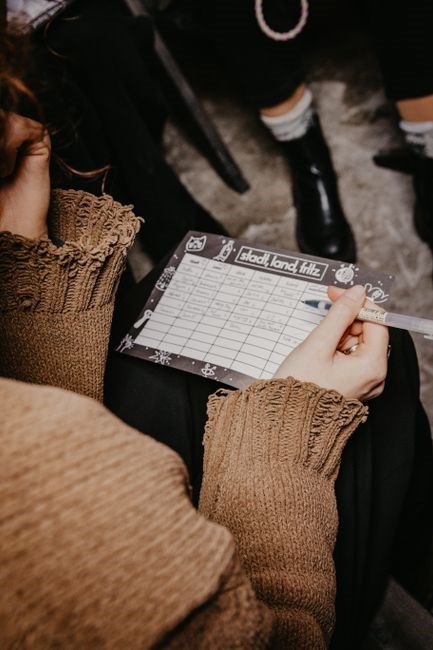
Storing and Reusing the Document
Once a Bunco score sheet is printed, preserving its integrity for future sessions is essential. Store the sheets in a clear, acid‑free folder or a dedicated binder with plastic sleeves. This protects against spills, tears, and fading. For digital reuse, keep the original PDF in a cloud folder (Google Drive, Dropbox, or OneDrive) and back it up on an external drive. When reprinting, always use the same printer settings—100 % scaling, 8.5″×11.00″ paper, and the “Print as Image” option—to maintain consistent line widths and font sizes. If you need to update the template, edit the source file in Canva or Adobe Acrobat, then re‑export as PDF. Label each version with a date and version number to avoid confusion. For group events, consider laminating the sheets or using a reusable whiteboard with a printable overlay; this allows scores to be erased and rewritten without creating new paper each time. Finally, archive completed score sheets in a labeled box; this creates a record of past games and can be useful for tracking long‑term statistics; By following these storage and reuse practices, you keep your Bunco nights organized and reduce waste. When using a scanner, choose a resolution of at least 300 dpi to capture fine details. If you prefer a digital log, export the PDF to a spreadsheet format and use formulas to auto‑calculate totals. For digital backup, keep a copy on a USB stick for travel or remote gatherings. By integrating these habits, you ensure that every Bunco session is recorded accurately and sustainably. Use a reusable pen for notes now