
Shyamala Navaratna Malika Stotram, a revered hymn, finds expression in Telugu translations, often available as a PDF document․
This stotram, praising Goddess Shyamala, is a poetic masterpiece detailing her divine attributes, and is readily accessible online․
Numerous sources offer Telugu versions, catering to devotees seeking connection through their native language, enhancing spiritual practice․
The availability of PDF formats facilitates easy access and recitation, promoting widespread devotion to the Goddess Shyamala․
Devotees can explore various translations, comparing nuances and selecting versions aligning with their understanding and preference․
The stotram’s lyrical beauty and profound meaning are preserved in these translations, enriching the devotional experience for Telugu speakers․
Historical Context and Authorship
Shyamala Navaratna Malika Stotram’s origins are deeply rooted in the Shakta tradition, with authorship traditionally attributed to Adi Shankaracharya, a prominent figure in Advaita Vedanta․ However, scholarly debate exists regarding the precise dating and authorship, with some suggesting potential contributions or revisions by later poets․ The stotram likely emerged during the late 8th or early 9th century CE, a period of significant philosophical and devotional flourishing in India․
While the original composition is in Sanskrit, the demand for accessibility led to translations in various regional languages, including Telugu․ The earliest Telugu translations likely appeared centuries after the original Sanskrit composition, reflecting the evolving linguistic landscape and devotional practices of the region․ Finding a reliable PDF of a historical Telugu translation can be challenging, as many early manuscripts haven’t been digitized or widely circulated․
Modern translations and commentaries, often available as PDF downloads, build upon these historical foundations, aiming to provide accurate and accessible interpretations for contemporary devotees․ The stotram’s enduring popularity ensures continued scholarly interest and the creation of new resources, including digital versions in Telugu․
Significance of Goddess Shyamala
Goddess Shyamala, whose name signifies “darkly beautiful,” is a powerful manifestation of Divine Feminine energy, revered within the Shakta tradition․ She embodies both beauty and ferocity, representing the transformative power of the divine mother․ The Shyamala Navaratna Malika Stotram specifically praises her as a bestower of grace, prosperity, and spiritual liberation․
In Telugu devotional contexts, Goddess Shyamala is often associated with protection from negative energies and the fulfillment of wishes․ Accessing the stotram in Telugu, often through a PDF format, allows devotees to connect with her energy through their native language, deepening their devotional experience․
The stotram highlights her attributes – her melodious veena playing, captivating smile, and compassionate nature – emphasizing her role as a source of peace and strength․ A Telugu PDF version facilitates regular recitation, believed to invoke her blessings and foster spiritual growth, making her significance readily accessible․
The Stotram’s Place in Shakta Tradition
The Shyamala Navaratna Malika Stotram holds a prominent position within the Shakta tradition, a branch of Hinduism focused on the worship of the Divine Mother․ It’s considered a potent hymn for invoking Goddess Shyamala’s blessings and achieving spiritual advancement․ The stotram’s nine verses, or ‘navaratnas’ (nine gems), are meticulously crafted to reveal her multifaceted nature․
Within Telugu-speaking Shakta communities, the stotram is frequently recited during festivals and personal worship․ The availability of Telugu PDF versions ensures wider accessibility and preservation of this sacred text․
Its lyrical beauty and profound philosophical insights resonate deeply with devotees․ Recitation, especially from a Telugu translation PDF, is believed to purify the mind, dispel negativity, and foster a closer connection with the Goddess, solidifying its importance in Shakta practice․

Understanding the Structure of the Stotram
Shyamala Navaratna Malika Stotram comprises nine verses, beautifully detailing the Goddess․ Telugu PDF versions preserve this structure, aiding comprehension and recitation․
Nine Verses (Navaratna) – An Overview
The Shyamala Navaratna Malika Stotram, meaning “a garland of nine gems dedicated to Shyamala,” is structured around nine distinct verses, each a ‘ratna’ or gem, illuminating a different facet of the Goddess’s divine form and qualities․ These verses, readily available in Telugu PDF formats, systematically unfold a vivid portrait of Shyamala, beginning with descriptions of her physical appearance and progressing to her compassionate nature and spiritual power․
Each verse builds upon the previous, creating a cumulative effect that deepens the devotee’s understanding and appreciation․ The Telugu PDF translations meticulously maintain this sequential structure, allowing readers to follow the stotram’s logical progression․ The verses explore her musicality, serenity, and role in liberation․ Accessing these verses through a Telugu PDF allows for focused study and repeated recitation, enhancing the devotional experience and fostering a closer connection with Goddess Shyamala․
Meter and Poetic Style
The Shyamala Navaratna Malika Stotram is composed in a highly refined and intricate poetic style, employing specific meters (vrittas) common in Sanskrit devotional poetry․ This contributes significantly to the stotram’s musicality and aesthetic appeal․ The verses, often found in Telugu PDF versions, adhere to these traditional metrical patterns, enhancing their rhythmic flow and memorability․
The stotram’s language is characterized by rich imagery, evocative metaphors, and elegant phrasing, all carefully crafted to convey the Goddess’s splendor․ Telugu PDF translations strive to capture not only the literal meaning but also the poetic essence of the original Sanskrit․ The choice of words and the arrangement of syllables are crucial in maintaining the stotram’s artistic integrity․ Studying the stotram via a Telugu PDF allows appreciation of the poetic nuances alongside the devotional content․
The Role of Sanskrit in the Stotram
Sanskrit is the original language of the Shyamala Navaratna Malika Stotram, holding immense significance in its spiritual potency and precise conveyance of meaning․ The stotram’s power is deeply rooted in the sonic vibrations and inherent symbolism of Sanskrit mantras; While Telugu PDF translations make the stotram accessible to a wider audience, the original Sanskrit text remains central to its efficacy․
The nuances of the Goddess’s attributes and the depth of the devotional sentiments are best understood through a knowledge of Sanskrit․ Telugu PDF versions often include the original Sanskrit alongside the translation, allowing for comparative study․ The phonetic precision of Sanskrit is considered vital for correct pronunciation and activation of the stotram’s energy․ Therefore, even when utilizing a Telugu PDF, reverence for the original Sanskrit is paramount․

Detailed Analysis of Each Verse
Detailed analysis reveals each verse of the Shyamala Navaratna Malika Stotram, often found in Telugu PDF formats, beautifully depicts the Goddess’s divine form․
These verses, accessible via PDF, offer profound insights into her attributes․
Verse 1: Description of Goddess Shyamala’s Form
Verse 1 of the Shyamala Navaratna Malika Stotram, frequently encountered in Telugu PDF versions, initiates a vivid portrayal of Goddess Shyamala’s captivating form․ The opening lines, often meticulously translated and preserved in these PDF documents, describe her as adorned with the brilliance of a thousand suns, radiating an ethereal glow․
Her complexion is likened to the dark blue hue of a raincloud, symbolizing both power and nurturing grace․ The verse details her exquisite features – eyes like blossoming lotuses, a radiant smile, and a delicate nose․ These descriptions, readily available in Telugu translations within the PDF, emphasize her unparalleled beauty․
Further, the verse highlights her attire and ornamentation, often depicted wearing a garland of jasmine flowers and adorned with precious jewels․ The PDF versions often include transliteration and word-by-word meanings, aiding devotees in understanding the nuances of the Sanskrit verses and appreciating the Goddess’s divine appearance․
Verse 2: Emphasis on Her Grace and Compassion
Verse 2 of the Shyamala Navaratna Malika Stotram, commonly found in accessible Telugu PDF formats, profoundly emphasizes the Goddess Shyamala’s boundless grace and compassionate nature․ The verse portrays her as a benevolent mother figure, readily extending her hand to uplift devotees from suffering․
Translations within the PDF often highlight her willingness to grant boons and fulfill the righteous desires of those who seek her refuge․ Her eyes are described as pools of kindness, radiating warmth and understanding․ This verse, meticulously preserved in Telugu versions, stresses her role as a protector and guide․
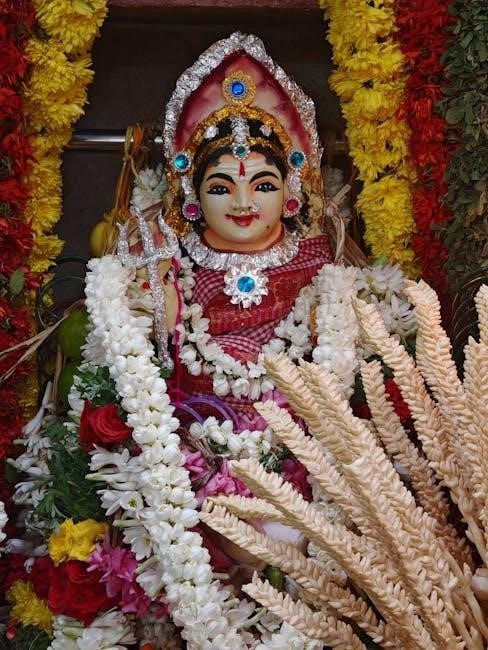
The PDF documents frequently include explanations of the verse’s symbolism, revealing how Shyamala’s compassion transcends all boundaries․ Devotees find solace in knowing her grace is freely available, irrespective of their past deeds, as detailed in the Telugu translations․
Verse 3: The Beauty of Her Smile and Eyes
Verse 3 of the Shyamala Navaratna Malika Stotram, readily available in Telugu PDF versions, exquisitely details the captivating beauty of Goddess Shyamala’s smile and eyes․ The Telugu translations emphasize how her smile dispels darkness and instills joy in the hearts of devotees․
The verse paints a vivid picture of her eyes, described as resembling the petals of a lotus, radiating a gentle, mesmerizing glow․ These features, highlighted in the PDF documents, are not merely aesthetic but symbolize her wisdom and all-knowing nature․
Many Telugu commentaries within the PDF explain that her eyes hold the power to grant liberation and reveal the truth․ The verse’s poetic imagery, preserved in these translations, evokes a sense of divine enchantment, drawing devotees closer to the Goddess’s radiant presence․
Verse 4: The Veena and Musicality
Verse 4 of the Shyamala Navaratna Malika Stotram, frequently found in accessible Telugu PDF formats, beautifully portrays Goddess Shyamala’s association with the veena, a sacred musical instrument․ Telugu translations highlight how her veena playing isn’t merely entertainment, but a cosmic symphony․
The PDF versions often include explanations that the sounds emanating from her veena create and sustain the universe, representing the divine word or Nada Brahma․ Her musicality is described as soothing, capable of calming the most turbulent minds and granting inner peace․
Commentaries within the Telugu PDF documents emphasize that listening to, or even contemplating, her music leads to spiritual elevation․ The verse’s imagery evokes a sense of divine harmony, showcasing the Goddess as the source of all creative expression․
Verse 5: Her Peaceful and Serene Nature
Verse 5 of the Shyamala Navaratna Malika Stotram, readily available in Telugu PDF versions, exquisitely depicts the Goddess Shyamala’s tranquil and serene essence․ Telugu translations emphasize her peaceful demeanor, a quality that radiates outwards, offering solace to all beings․
The PDF documents often explain that her serenity isn’t passive, but a powerful force capable of dissolving negativity and fostering inner calm․ She is portrayed as Shanta – peaceful – and Mrudulasvanta – gentle of smile, embodying divine grace․
Commentaries within these Telugu PDF resources highlight how meditating on her peaceful nature can alleviate suffering and promote emotional well-being․ Her serene presence is a refuge, offering liberation from worldly anxieties and a pathway to spiritual awakening․
Verse 6: Further Elaboration on Her Divine Attributes
Verse 6 of the Shyamala Navaratna Malika Stotram, frequently found in accessible Telugu PDF formats, expands upon the Goddess’s already magnificent qualities․ Telugu translations meticulously detail her divine attributes, revealing layers of power and grace․
These PDF resources often explain how this verse delves deeper into her role as the cosmic energy, Shakti, manifesting in a benevolent form․ It emphasizes her capacity to bestow blessings and fulfill the desires of her devotees․
Commentaries within the Telugu PDF versions highlight her association with the Veena, symbolizing harmonious creation and the power of sound․ Her attributes are not merely aesthetic but represent potent forces for positive transformation, readily understood through these translations․
Verse 7: The Goddess as a Source of Strength
Verse 7 of the Shyamala Navaratna Malika Stotram, readily available in Telugu PDF versions, powerfully portrays the Goddess as an inexhaustible source of strength for her devotees․ These Telugu translations emphasize her role in overcoming obstacles and providing courage in times of adversity․
The PDF documents often explain how this verse depicts Shyamala as a protector, shielding her worshippers from negativity and fear․ She is not merely a benevolent figure but a dynamic force empowering individuals to face life’s challenges with resilience․
Commentaries within these Telugu PDF resources highlight the verse’s significance in fostering inner fortitude and unwavering faith․ Recitation is believed to instill a sense of confidence and determination, enabling devotees to navigate difficulties with grace and strength․
Verse 8: Her Role in Spiritual Liberation
Verse 8 of the Shyamala Navaratna Malika Stotram, frequently found in accessible Telugu PDF formats, centers on the Goddess’s pivotal role in granting spiritual liberation – moksha․ These Telugu translations illuminate how Shyamala guides devotees towards transcending the cycle of birth and death․
The PDF versions often detail how the verse describes her as the remover of ignorance, the veil that obscures true reality․ Through her grace, devotees gain wisdom and discernment, leading to self-realization․
Commentaries within these Telugu PDF resources emphasize that consistent recitation of this verse, coupled with sincere devotion, accelerates the path to liberation․ She is presented as the ultimate refuge, offering freedom from suffering and the attainment of lasting peace․
Verse 9: The Concluding Verse and its Significance
Verse 9, the culmination of the Shyamala Navaratna Malika Stotram, readily available in Telugu PDF versions, serves as a powerful benediction and a summation of the Goddess’s glory․ These Telugu translations highlight its significance as a sealing of the devotee’s heartfelt offering․
The PDF documents often explain how this verse expresses complete surrender and unwavering faith in Goddess Shyamala․ It’s a plea for continued grace and protection on the spiritual journey․

Commentaries within these Telugu PDF resources emphasize that reciting this final verse ensures the stotram’s benefits are fully realized․ It’s believed to bestow blessings of prosperity, well-being, and ultimately, liberation․ The verse acts as a potent mantra, solidifying the devotee’s connection with the Divine Mother․

Shyamala Navaratna Malika Stotram in Telugu
Telugu translations of the Shyamala Navaratna Malika Stotram are widely accessible, frequently distributed as convenient PDF documents for devotees․
These resources facilitate devotional practice․
Availability of Telugu Translations
Telugu translations of the Shyamala Navaratna Malika Stotram are remarkably accessible in the digital age, catering to a wide audience of devotees who prefer reciting in their native tongue․ Numerous websites and online repositories offer these translations, predominantly in PDF format, ensuring easy download and portability․
Several dedicated spiritual websites host these PDF versions, alongside accompanying transliterations and word-by-word meanings, aiding in deeper comprehension․ Furthermore, platforms specializing in Hindu scriptures and stotras frequently feature the Shyamala Navaratna Malika Stotram in Telugu․
Social media groups and forums dedicated to Goddess Shyamala often share links to these PDF files, fostering a community-driven approach to devotional resources․ The proliferation of these translations demonstrates the growing interest in and accessibility of this powerful stotram within the Telugu-speaking community․
Devotees can readily find options to suit their preferences․
Comparison of Different Telugu Translations
When exploring Telugu translations of the Shyamala Navaratna Malika Stotram in PDF format, it’s crucial to recognize variations exist․ These differences stem from varying interpretations of the original Sanskrit verses and the translators’ individual poetic styles․
Some translations prioritize literal accuracy, meticulously rendering each Sanskrit word into Telugu, while others emphasize a more fluid, poetic rendition, aiming to capture the essence and devotional mood․ Examining multiple PDF versions reveals nuances in word choice and phrasing, impacting the overall reading experience․
Certain translations include detailed commentaries and explanations, providing deeper insights into the stotram’s symbolism and philosophical underpinnings․ Others offer simpler, more accessible versions for beginners․ Comparing these translations allows devotees to select the version that best resonates with their understanding and spiritual inclination, enriching their practice․
Importance of Accurate Translation
The accurate translation of the Shyamala Navaratna Malika Stotram into Telugu, particularly within PDF documents, is paramount for preserving its spiritual potency․ Inaccurate renderings can distort the original meaning, diminishing the stotram’s efficacy and potentially misleading devotees․
Each verse is laden with symbolic meaning and subtle nuances rooted in Sanskrit grammar and poetic tradition․ A faithful translation must convey not only the literal meaning but also the underlying spiritual intent․ Errors in translation can misrepresent Goddess Shyamala’s attributes and the stotram’s overall message․
Therefore, seeking translations from reputable sources, ideally those vetted by scholars of Sanskrit and Telugu, is essential․ Careful comparison of different PDF versions and cross-referencing with original Sanskrit texts can help ensure a more accurate and enriching devotional experience․

Benefits of Reciting the Stotram
Reciting the Shyamala Navaratna Malika Stotram, even via Telugu PDF, bestows spiritual grace, mental peace, and protection․
Devotees experience auspiciousness and liberation․
Spiritual Benefits
Recitation of the Shyamala Navaratna Malika Stotram, whether in Sanskrit or through a Telugu PDF translation, unlocks profound spiritual benefits for dedicated practitioners․
The stotram’s verses, when chanted with devotion, are believed to invoke the divine grace of Goddess Shyamala, fostering a deeper connection with the divine feminine energy․
Consistent practice cultivates inner peace, reduces negative karmic influences, and accelerates spiritual evolution․
Devotees often report heightened intuition, increased clarity of mind, and a stronger sense of purpose․
The stotram’s potent mantras are said to purify the subtle energy channels within the body, paving the way for spiritual awakening․
Accessing the stotram through a Telugu PDF allows wider accessibility, enabling more individuals to partake in these transformative spiritual practices, regardless of their Sanskrit proficiency․
Ultimately, regular recitation fosters a loving and receptive relationship with the Goddess, leading to profound spiritual growth and liberation․
Mental and Emotional Well-being
The soothing verses of the Shyamala Navaratna Malika Stotram, readily available as a Telugu PDF, offer significant benefits for mental and emotional well-being․
Chanting the stotram’s melodious lines calms the nervous system, reducing stress, anxiety, and feelings of overwhelm․
The Goddess Shyamala’s compassionate energy, invoked through recitation, promotes emotional healing and fosters a sense of inner peace․
Regular practice cultivates positive emotions like joy, gratitude, and contentment, counteracting negative thought patterns․

The stotram’s rhythmic structure and evocative imagery provide a meditative focus, quieting the mind and enhancing concentration․
Utilizing a Telugu PDF version makes the stotram accessible to a broader audience, allowing more individuals to experience these therapeutic benefits․
Ultimately, consistent recitation fosters emotional resilience, self-awareness, and a greater sense of inner harmony․
Protection and Auspiciousness
Reciting the Shyamala Navaratna Malika Stotram, particularly through a convenient Telugu PDF, is believed to bestow powerful protection and attract auspicious energies․
Goddess Shyamala is revered as a fierce protector, shielding devotees from negative influences, obstacles, and harmful energies․
The stotram’s verses create a divine shield, safeguarding the home, family, and individual from misfortune and adversity․
Regular chanting invokes blessings of prosperity, abundance, and success in all endeavors․
The stotram is considered highly auspicious, capable of removing obstacles to spiritual growth and fulfilling desires․
Accessing the stotram via a Telugu PDF allows for easy and frequent recitation, amplifying its protective and auspicious qualities․
Devotees believe that consistent practice fosters a harmonious environment and attracts positive vibrations, leading to a life filled with blessings․
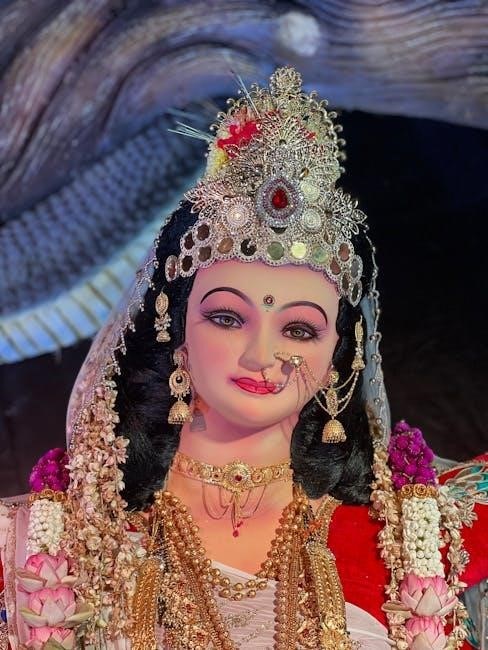
Finding a Shyamala Navaratna Malika Stotram PDF
Shyamala Navaratna Malika Stotram Telugu PDF versions are widely available online through various digital platforms and devotional websites․
Ensure authenticity when downloading to receive accurate translations and benefit from the stotram’s divine power․
Reliable Sources for PDF Downloads
Finding authentic Shyamala Navaratna Malika Stotram Telugu PDF versions requires careful selection of sources․ Several websites dedicated to Hindu scriptures and devotional literature offer downloadable PDFs․
Stotra Nidhi is a potential resource, though verifying the specific translation’s accuracy is crucial․ Websites hosting religious texts often provide multiple versions; cross-referencing is recommended․
Digital libraries specializing in Sanskrit and Telugu literature may also contain the stotram in PDF format․ Look for institutions known for scholarly accuracy․
Devotional forums and communities sometimes share PDFs, but exercise caution regarding their origin and authenticity․ Prioritize sources with established reputations․

Beware of unofficial websites offering downloads, as they may contain errors or altered content․ Always scan downloaded files for viruses before opening them․ Prioritize sites with clear copyright information and author attribution․
Consider purchasing a printed copy from a reputable publisher as an alternative to digital downloads, ensuring a verified and accurate text․
Authenticity of Online PDFs
Determining the authenticity of Shyamala Navaratna Malika Stotram Telugu PDF files downloaded online is paramount․ Variations in translations exist, impacting the stotram’s meaning and efficacy․
Compare multiple PDFs from different sources, noting discrepancies in transliteration, word choice, and interpretations․ Consistent renderings across reputable sources suggest higher accuracy․
Look for PDFs accompanied by scholarly notes or commentaries, indicating a careful and informed translation process․ Author attribution is also crucial; established scholars lend credibility․
Verify the Sanskrit verses within the Telugu translation against known, authoritative Sanskrit texts of the stotram․ Inconsistencies signal potential errors․
Be wary of PDFs lacking source information or displaying signs of unprofessional formatting․ These may be unreliable or incomplete versions․
Cross-reference with printed editions or guidance from knowledgeable Sanskrit/Telugu scholars to confirm the PDF’s accuracy and authenticity․
Tips for Safe Downloading
When downloading a Shyamala Navaratna Malika Stotram Telugu PDF, prioritize online safety․ Utilize reputable websites known for religious texts and scholarly resources, avoiding suspicious or unknown sources․
Install and maintain updated antivirus software to scan downloaded files for malware or viruses․ Enable browser security features to block potentially harmful downloads․
Exercise caution with pop-up ads or requests for personal information during the download process․ These are often indicators of malicious intent․
Verify the file extension; legitimate PDFs should end in “․pdf”․ Be wary of files with unusual extensions that could conceal hidden threats․
Scan the downloaded PDF with your antivirus program before opening it․ Consider using an online PDF scanner for an additional layer of security․
Avoid downloading from peer-to-peer networks or file-sharing sites, as these are common vectors for malware distribution․ Prioritize official or trusted sources․