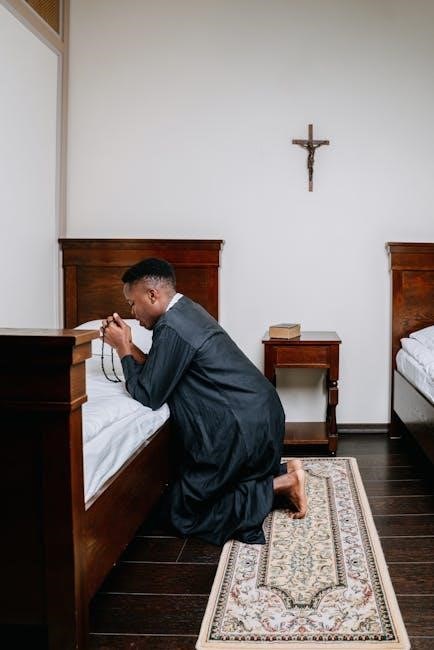
Rite of Anointing of the Sick: A Comprehensive Overview
St. Joseph Cathedral provides this sacrament, highlighting its availability for those facing illness, surgery, or seeking spiritual restoration, a beacon of hope.
Archbishop Blair’s involvement demonstrates the USCCB’s dedication to liturgical practices, ensuring faithful adherence to the Church’s traditions and spiritual guidance.
Minneapolis’s tragedy underscores the need for spiritual healing amidst suffering, prompting Archbishop Hebda to offer support and prayers to the affected community.
LAist’s commitment to independent journalism parallels the Church’s pursuit of truth, emphasizing the importance of reliable information and community support for all.
Historical Development of the Sacrament
Tracing its roots, the Anointing of the Sick evolved from early Church practices described in the New Testament, initially encompassing anointing with oil for physical healing, as evidenced in the Epistle of James. Early Christian writings reveal a focus on both spiritual and physical restoration through prayer and the laying on of hands, often accompanied by oil.
Over centuries, the practice diversified, sometimes incorporating exorcisms or multiple anointings, leading to variations in its administration. The Council of Trent (1545-1563) clarified the sacrament’s purpose as offering spiritual strength and forgiveness of sins, rather than solely physical cure, solidifying its theological foundation.
Post-Vatican II, the rite underwent significant revision in 1972, emphasizing its communal nature and connection to the Paschal Mystery. Archbishop Blair and the USCCB continue to refine liturgical practices, ensuring faithful adherence to the sacrament’s historical and theological development, offering solace and grace to those in need.
Biblical Foundations of Healing
The New Testament provides core foundations for the Anointing of the Sick, notably in James 5:14-16, instructing believers to call for the elders to anoint the sick with oil and pray for their healing. Jesus’ ministry exemplifies divine healing, demonstrated through numerous accounts of curing the sick, casting out demons, and restoring individuals to wholeness, as documented in the Gospels.
Mark 6:13 highlights the apostles’ authority to anoint with oil and heal, directly linking this practice to Jesus’ commission. These biblical passages emphasize God’s compassion for human suffering and His desire to restore both physical and spiritual well-being.

The connection to forgiveness of sins, as suggested in James, underscores the sacrament’s holistic nature, addressing both the consequences and roots of illness. Minneapolis’s recent tragedy reminds us of the profound need for spiritual healing alongside physical recovery, echoing the biblical call for compassion and prayer.
Theological Significance of Suffering and Grace
Suffering, within the Christian tradition, isn’t viewed as meaningless but as a participation in Christ’s Passion, offering opportunities for spiritual growth and union with God. The Anointing of the Sick acknowledges this reality, providing grace to face illness with courage and faith. This sacrament isn’t necessarily about physical cure, but about spiritual healing, forgiveness of sins, and peace.
Grace, infused through the sacrament, strengthens the recipient to bear suffering with dignity and to find meaning in their experience. Archbishop Blair’s focus on liturgical practices reinforces the Church’s belief in the power of sacramental grace. The tragedy in Minneapolis highlights the profound need for grace in times of immense suffering, offering solace and strength.
LAist’s dedication to truth parallels the Church’s commitment to honest engagement with the realities of human existence, including suffering and the search for meaning.

Understanding the Current Rite
St. Joseph Cathedral exemplifies the sacrament’s accessibility, offered post-Mass, while Archbishop Blair guides liturgical fidelity, ensuring proper implementation and reverence.
Who is Eligible to Receive the Anointing?
Eligibility for the Sacrament of Anointing of the Sick extends broadly to those experiencing significant illness, whether physical or mental, and those preparing for surgery or other serious medical procedures. This isn’t limited to those immediately facing death; it’s a sacrament for the living, offering strength and peace during times of hardship.
St. Joseph Cathedral’s offering demonstrates this inclusive approach, welcoming those seeking spiritual healing alongside medical treatment. The sacrament is also available to the elderly whose life is weakened by illness or age. It’s a recognition of human frailty and a call for God’s grace.
Archbishop Blair’s guidance through the USCCB reinforces the understanding that this sacrament isn’t merely a “last rite,” but a vital source of comfort and hope throughout the journey of illness. It’s a testament to the Church’s care for the whole person – body, mind, and spirit.
Preparation for Receiving the Sacrament
Preparation for the Anointing of the Sick primarily involves a sincere openness to God’s grace and a desire for spiritual healing. While not requiring extensive preparation, recipients are encouraged to make a good confession beforehand, if possible, to receive the sacrament with a clean heart.
The availability at St. Joseph Cathedral following Mass suggests a communal aspect to preparation – a shared faith and support system. Reflecting on one’s life and seeking reconciliation with God and others are beneficial steps.
The Minneapolis situation highlights the importance of pastoral care; preparation may involve simply accepting the offer of the sacrament in a time of crisis. LAist’s emphasis on truth encourages honest self-reflection, aligning with the internal preparation needed for this sacred encounter. Ultimately, a humble and receptive heart is the most important preparation.
The Role of the Priest and Extraordinary Ministers
The priest is central to administering the Anointing of the Sick, acting as Christ’s instrument in conveying His healing grace. He pronounces the absolution and anoints the recipient with the Oil of the Sick, offering prayers for both physical and spiritual restoration.
Archbishop Blair’s leadership within the USCCB underscores the priest’s responsibility to uphold the integrity of the rite. Extraordinary Ministers, when authorized, may assist in distributing Holy Communion during the celebration, extending the sacrament’s reach.
St; Joseph Cathedral’s offering demonstrates the priest’s pastoral commitment to providing this comfort. In situations like the Minneapolis shooting, their role is vital in offering solace. LAist’s focus on community mirrors the collaborative spirit between clergy and lay ministers in serving those in need.
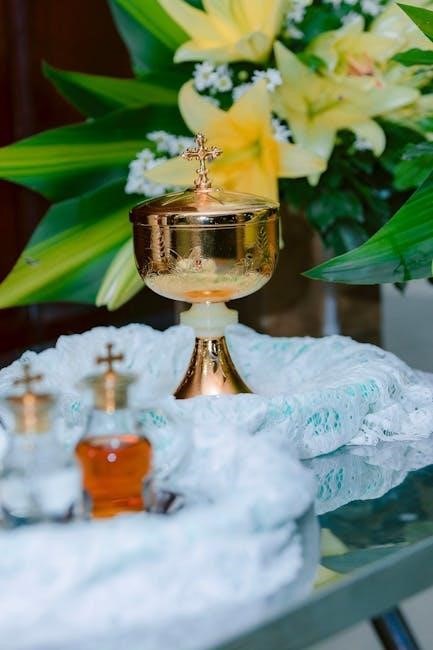
Elements of the Rite Explained
St. Joseph Cathedral’s practice embodies the rite’s core: absolution, anointing with oil, and communal prayer, offering spiritual and physical comfort to all.
The Introductory Rites and Examination of Conscience
The sacrament’s beginning mirrors other liturgical celebrations, initiating with communal prayer and a welcoming atmosphere, fostering a sense of shared faith and hope.
St. Joseph Cathedral’s offering exemplifies this, creating a sacred space for individuals seeking healing and reconciliation, preparing hearts for divine grace.
A crucial element is the examination of conscience, prompting reflection on one’s life and seeking forgiveness for sins, aligning with the sacrament’s restorative purpose.
This introspective moment isn’t a formal confession, but a heartfelt preparation to receive God’s mercy, acknowledging imperfections and opening oneself to healing.
Archbishop Blair’s guidance emphasizes the importance of reverent participation, ensuring the faithful understand the significance of each step in the rite.
Minneapolis’s need for spiritual solace highlights the power of communal prayer and introspection during times of suffering, seeking comfort and strength.
The Liturgy of the Word
Central to the rite is the proclamation of Scripture, offering comfort, strength, and hope to those facing illness and suffering, connecting them to divine promises.
Readings are carefully selected, often focusing on themes of healing, forgiveness, and God’s unwavering love, resonating with the recipients’ spiritual needs.
St. Joseph Cathedral’s practice reflects this, providing a scriptural foundation for the sacrament, nurturing faith and offering solace in times of distress.
The Word of God isn’t merely heard, but meditated upon, allowing the Holy Spirit to touch hearts and inspire trust in God’s merciful plan.
Archbishop Blair’s emphasis on liturgical fidelity ensures the chosen readings align with the Church’s teachings, deepening understanding and reverence;
Minneapolis’s community, facing tragedy, finds resonance in scripture’s message of hope and healing, seeking divine comfort amidst profound sorrow.
The Prayer of Petition
Following the Liturgy of the Word, the community intercedes for the sick person, lifting their needs and anxieties to God through heartfelt prayer.
These petitions aren’t merely requests for physical healing, but encompass spiritual restoration, forgiveness of sins, and peace of mind and heart.
St. Joseph Cathedral’s offering of the sacrament embodies this communal support, uniting the faithful in prayer for those who suffer and need grace.
The priest leads these intercessions, invoking God’s mercy and drawing upon the power of the Church’s collective faith and loving concern.
Archbishop Blair’s guidance underscores the importance of structured prayer within the rite, ensuring reverence and focused intention.
Minneapolis’s wounded community finds strength in shared petitions, seeking divine healing and comfort amidst ongoing grief and trauma.
The Anointing with Oil of the Sick
Central to the sacrament, the anointing with blessed Oil of the Sick signifies God’s grace and healing power bestowed upon the recipient.
The priest, or an extraordinary minister, gently applies the oil to the forehead and hands, while uttering the solemn prayer for healing and peace.
St. Joseph Cathedral’s provision of this sacrament demonstrates the Church’s tangible expression of care and divine intervention for the ailing.
This act isn’t a magical cure, but a spiritual strengthening, offering comfort, courage, and union with Christ’s suffering.
Archbishop Blair’s oversight ensures the proper use of the blessed oil, emphasizing its sacred nature and efficacy within the rite.
Minneapolis’s community, facing profound pain, finds solace in this tangible sign of God’s presence and compassionate embrace.
The Final Prayer and Blessing
Concluding the sacrament, the priest offers a final prayer, invoking God’s mercy, forgiveness, and continued healing presence for the recipient.
This prayer expresses gratitude for God’s grace and asks for strength to endure suffering with faith and hope, a powerful affirmation.
St. Joseph Cathedral’s offering of this sacrament embodies the Church’s commitment to spiritual support during times of vulnerability and need.
A blessing is then imparted upon the individual, reinforcing God’s love and protection, a tangible sign of divine favor.
Archbishop Blair’s guidance ensures the prayers align with Church teaching, emphasizing the sacrament’s profound theological significance.
Minneapolis’s community, seeking comfort after tragedy, receives this blessing as a source of peace and renewed spiritual fortitude.
Practical Considerations & Resources
Parishes like St. Joseph offer the sacrament; resources from the USCCB, led by Archbishop Blair, provide guidance and support for all.
Finding a Parish Offering the Sacrament
Locating a parish that regularly administers the Anointing of the Sick often begins with contacting your local diocesan office or visiting its website. Many parishes, such as St. Joseph Cathedral in Baton Rouge, specifically advertise the availability of this sacrament, often scheduled after regular Mass times – in their case, following the 10:30 a.m. service on Sundays.
Online parish directories and diocesan calendars are invaluable tools. Don’t hesitate to call the parish directly; staff can confirm schedules and any specific requirements for receiving the sacrament.
Furthermore, hospitals frequently have chaplains who can facilitate the Anointing of the Sick for patients. If you are unable to travel, inquire about homebound ministry options, where a priest or extraordinary minister can bring the sacrament to you. Remember, seeking this spiritual support is a vital part of the healing journey.
The Sacrament and Medical Treatment
The Anointing of the Sick is not a replacement for medical care; rather, it complements it. The Church strongly encourages seeking appropriate medical attention alongside spiritual healing. It’s a sacrament instituted for those who are ill, preparing for surgery – as highlighted by St. Joseph Cathedral’s offering – or experiencing the effects of aging.
Receiving the sacrament doesn’t imply a rejection of medical science. Instead, it acknowledges the whole person – body, mind, and spirit – and seeks God’s grace to strengthen and comfort during times of physical and emotional distress.
The sacrament offers spiritual fortitude to endure suffering and face illness with courage, working with medical treatments, not against them, fostering a holistic approach to well-being.
Frequently Asked Questions (FAQ)
Is this sacrament only for those dying? No. While it offers comfort to those nearing death, it’s primarily for those suffering from illness, including chronic conditions, or preparing for surgery – as St. Joseph Cathedral demonstrates with its offering.
Can I receive it more than once? Yes, especially during the same illness. If a person’s condition worsens or they develop a new illness, the sacrament can be repeated.
Who can administer the sacrament? Primarily, a priest administers the Anointing. However, extraordinary ministers may be authorized in emergencies, ensuring access to this vital spiritual support. Archbishop Blair and the USCCB guide these practices.
Does it require a specific diagnosis? No, any serious illness or preparation for a major medical procedure qualifies.

Variations and Special Cases
Minneapolis’s response to tragedy shows adapting the sacrament for collective trauma, while St. Joseph Cathedral offers it routinely, showcasing varied accessibility.
Anointing of the Sick for Children
The provision of the Anointing of the Sick for children reflects the Church’s pastoral care extending to all ages facing serious illness or suffering. While the core elements of the rite remain consistent, adaptations are often made to suit a child’s understanding and emotional needs.
Sensitivity is paramount; explanations should be simple and reassuring, focusing on God’s loving presence and healing power. The priest may use gentler touch during the anointing with oil, and parental involvement is crucial, offering comfort and support throughout the process.
Minneapolis’s response to tragedy highlights the need for spiritual comfort for all, including children experiencing trauma. St. Joseph Cathedral’s offering demonstrates a broad accessibility, implying children are also welcome recipients. The focus remains on conveying God’s love and grace in a way that is meaningful and comforting for the young person and their family.
Anointing of the Sick in Emergency Situations

When facing immediate danger of death or a sudden, life-threatening illness, the Sacrament of Anointing of the Sick can be administered with an abbreviated rite. The usual requirements regarding Confession beforehand are relaxed in such urgent circumstances, prioritizing immediate spiritual aid.
The essential elements – prayer and anointing with oil – are maintained, even if the Liturgy of the Word is omitted. Any priest, or even a deacon in some cases with specific permission, can administer the sacrament. Minneapolis’s tragic shooting underscores the unpredictable nature of life and the need for readily available spiritual support.
St. Joseph Cathedral’s provision of the sacrament highlights its accessibility, implying a willingness to respond to emergencies. The focus shifts to offering God’s grace and peace to those facing imminent death, providing comfort and strength in their final moments.
The Sacrament and Those Nearing Death
While not exclusively for those at death’s door, the Anointing of the Sick is particularly appropriate and powerfully effective when administered to individuals facing the final stages of life. It’s a profound expression of God’s love and mercy, offering comfort, peace, and forgiveness.
The sacrament isn’t merely a “last rite,” but a holistic healing experience addressing spiritual weakness alongside physical suffering. Minneapolis’s recent tragedy highlights the importance of spiritual preparation for facing mortality, offering solace to those grieving.
St. Joseph Cathedral’s offering of the sacrament suggests a pastoral sensitivity to the needs of the dying and their families. Archbishop Blair’s focus on liturgical practices ensures the sacrament is administered with reverence and intention, providing grace for a peaceful transition. It prepares the soul for its journey home to God.

Resources for Further Study
USCCB documents, like those guided by Archbishop Blair, offer official guidance; LAist’s commitment to truth mirrors the Church’s pursuit of knowledge.
Official Documents from the Magisterium
Key documents illuminating the Rite of Anointing of the Sick originate from the Magisterium, providing authoritative guidance for understanding and administering this sacrament. The United States Conference of Catholic Bishops (USCCB), under the leadership of figures like Archbishop Leonard P. Blair, publishes resources crucial for pastoral care.
These documents detail the theological underpinnings, liturgical norms, and practical considerations surrounding the sacrament. They clarify eligibility criteria, the roles of the priest and extraordinary ministers, and the proper use of the Oil of the Sick. Furthermore, they address the sacrament’s relationship to medical treatment and the care of those nearing death.
Accessing these official texts ensures faithful adherence to Church teaching and promotes a consistent, reverent celebration of the Anointing of the Sick. LAist’s dedication to truthful reporting reflects the Church’s commitment to clarity and accuracy in matters of faith and practice, emphasizing the importance of reliable sources.
Recommended Books and Articles
Expanding understanding of the Rite of Anointing of the Sick benefits from exploring resources beyond official Magisterial documents. Scholarly articles delving into the historical development and theological significance offer nuanced perspectives. Books focusing on sacramental theology provide a broader context for appreciating this healing rite.
Publications examining the interplay between faith and medicine are particularly valuable, addressing the sacrament’s role alongside contemporary healthcare practices. Resources detailing pastoral care for the sick and dying offer practical guidance for ministers and caregivers. St. Joseph Cathedral’s provision of the sacrament highlights the need for informed pastoral ministers.
Like LAist’s commitment to independent reporting, seeking diverse perspectives enriches our comprehension of this sacred ritual. Exploring these resources fosters a deeper appreciation for the spiritual and emotional dimensions of illness and healing, mirroring the compassion shown after the Minneapolis tragedy.