
Rust for Blockchain Application Development: A Comprehensive Guide
Discover a wealth of resources! Explore comprehensive guides and Rust for blockchain application development PDF materials․ Learn to build secure, efficient, and scalable blockchain solutions using Rust’s unique capabilities․
Rust, a systems programming language, is rapidly gaining prominence in blockchain development due to its focus on safety, speed, and concurrency․ Unlike languages with garbage collection, Rust employs a unique ownership system, preventing data races and memory leaks – critical concerns in secure blockchain applications․ This makes it exceptionally well-suited for building robust and reliable blockchain infrastructure․
Blockchain technology, at its core, relies on distributed ledgers, cryptography, and consensus mechanisms․ The need for secure and efficient implementations drives the demand for languages like Rust․ Developers are increasingly seeking resources like Rust for blockchain application development PDF guides to understand how to leverage Rust’s strengths in this domain․
These resources often cover foundational blockchain concepts alongside Rust specifics, enabling developers to build everything from basic blockchain simulations to complex smart contracts․ The combination of Rust’s performance and the inherent security requirements of blockchain creates a powerful synergy, attracting a growing community of developers and innovators․
Why Rust is Ideal for Blockchain Development
Rust’s suitability for blockchain development stems from several key advantages․ Its memory safety features, achieved through ownership and borrowing, eliminate common vulnerabilities like data races and dangling pointers, crucial for secure financial transactions․ Performance is paramount in blockchain, and Rust delivers near-C++ speeds without the associated safety risks․
Furthermore, Rust’s robust concurrency model simplifies the development of parallel and distributed systems, essential for blockchain’s decentralized nature․ Developers seeking in-depth knowledge often turn to Rust for blockchain application development PDF tutorials and guides to master these features․
The language’s strong type system and error handling capabilities contribute to code reliability and maintainability․ Platforms like Solana, Polkadot, and NEAR actively embrace Rust, fostering a thriving ecosystem and abundant learning resources․ Compared to languages like JavaScript or Python, Rust offers a compelling blend of security, speed, and control, making it a top choice for serious blockchain projects․
Rust’s Memory Safety Features for Secure Blockchains
Rust’s core strength lies in its memory safety guarantees, a critical aspect for secure blockchain applications․ Unlike languages with manual memory management or garbage collection, Rust employs an ownership system and borrowing checker at compile time․ This prevents common vulnerabilities like data races, null pointer dereferences, and buffer overflows – frequent attack vectors in blockchain systems․

The ownership rules ensure that each piece of data has a single owner, and when the owner goes out of scope, the memory is automatically freed․ Borrowing allows temporary access to data without transferring ownership, enforced by the borrow checker․ For developers, comprehensive Rust for blockchain application development PDF resources detail these concepts․
These features drastically reduce the risk of memory-related bugs, enhancing the reliability and security of blockchain code․ This is particularly vital when handling sensitive cryptographic keys and financial transactions, where even a small error can have catastrophic consequences․ Rust allows developers to build robust and trustworthy blockchain solutions․
Concurrency and Parallelism in Rust for Blockchain

Blockchains inherently benefit from concurrent and parallel processing, handling numerous transactions and network operations simultaneously․ Rust excels in this domain, offering fearless concurrency – the ability to write multi-threaded code without the typical pitfalls of data races․ Its ownership system extends to threads, ensuring data is safely shared or moved between them․
Rust provides powerful tools like threads, channels (for message passing), and atomic types to manage concurrency effectively․ These features allow developers to build highly scalable blockchain nodes capable of processing a high throughput of transactions․ Exploring Rust for blockchain application development PDF guides reveals best practices for concurrent blockchain design․
Furthermore, Rust’s support for parallelism enables leveraging multi-core processors for computationally intensive tasks like cryptographic hashing and consensus algorithms․ This significantly improves performance and responsiveness․ By preventing data races at compile time, Rust simplifies the development of robust and efficient concurrent blockchain systems․
Setting Up Your Rust Development Environment
Embarking on Rust blockchain development requires a properly configured environment․ Begin by installing Rust and Cargo, its package manager, following the official instructions on the Rust website․ This typically involves downloading and running the rustup installer, which manages Rust versions and toolchains․

Choosing an Integrated Development Environment (IDE) is crucial․ Popular options include Visual Studio Code with the Rust Analyzer extension, IntelliJ IDEA with the Rust plugin, and CLion․ These IDEs provide features like code completion, debugging, and linting, enhancing productivity․ Many Rust for blockchain application development PDF resources recommend VS Code with Rust Analyzer․
Ensure you have a suitable terminal for interacting with Cargo․ Consider using PowerShell (Windows), Terminal (macOS), or a Linux distribution’s default terminal․ Finally, familiarize yourself with Cargo commands for creating, building, testing, and managing your blockchain projects․ A well-set-up environment is the foundation for successful development․
Installing Rust and Cargo
The cornerstone of Rust development is installing Rust itself, alongside Cargo, its build system and package manager․ The recommended method is using rustup, a command-line tool that simplifies the process․ Visit the official Rust website and follow the instructions specific to your operating system (Windows, macOS, or Linux)․
Rustup handles downloading the necessary components, configuring your environment variables, and managing different Rust toolchains․ After installation, verify it by opening a new terminal and running rustc –version and cargo –version; Successful output confirms a correct installation․ Many Rust for blockchain application development PDF guides begin with this step․
Cargo is essential for creating, building, running, and testing your blockchain projects․ It manages dependencies, ensuring your project has the required libraries․ It also automates the build process, making development more efficient․ Regularly update Rust and Cargo using rustup update to benefit from the latest features and security patches․
Choosing an IDE for Rust Blockchain Development
Selecting the right Integrated Development Environment (IDE) significantly enhances your Rust blockchain development experience․ While Rust can be used with simple text editors, an IDE provides features like code completion, debugging, and refactoring․ Popular choices include Visual Studio Code (VS Code) with the rust-analyzer extension, IntelliJ IDEA with the Rust plugin, and CLion․
VS Code is a lightweight and highly customizable option, favored by many Rust developers․ rust-analyzer offers excellent language support, including error checking and auto-completion․ IntelliJ IDEA and CLion, from JetBrains, provide more comprehensive features but are resource-intensive․ Many Rust for blockchain application development PDF tutorials recommend VS Code due to its accessibility․
Consider factors like your operating system, existing familiarity with IDEs, and project complexity when making your choice․ Ensure the IDE supports Rust’s features and integrates well with Cargo․ Experiment with different options to find the one that best suits your workflow and boosts your productivity during blockchain development․
Essential Rust Concepts for Blockchain Developers
Blockchain development with Rust demands a solid grasp of core language concepts․ Ownership, borrowing, and lifetimes are crucial for memory safety, preventing data races and ensuring secure code – vital for blockchain integrity․ Understanding structs, enums, and traits allows for creating robust data structures and defining reusable code components․
Concurrency, facilitated by Rust’s fearless concurrency model, is essential for handling multiple transactions and network operations efficiently․ Familiarity with error handling using Result and Option types is paramount for building resilient applications․ Many Rust for blockchain application development PDF guides emphasize these concepts․
Furthermore, mastering generics, closures, and iterators enhances code flexibility and performance․ Knowledge of modules and crates promotes code organization and reusability․ These concepts, combined with Rust’s strong type system, empower developers to build secure, reliable, and high-performance blockchain solutions․
Building a Basic Blockchain in Rust
Embarking on a Rust blockchain project begins with foundational elements: blocks and transactions․ A block typically contains a timestamp, transaction data, and a hash of the previous block, forming a chain․ Transactions represent value transfers between participants․ Implementing these structures in Rust leverages its data structure capabilities․
Hashing, using cryptographic functions like SHA-256, ensures data integrity․ The Proof-of-Work (PoW) consensus mechanism, often the first implemented, requires miners to solve a computational puzzle to add new blocks․ Many Rust for blockchain application development PDF tutorials guide you through this process․
This initial implementation demonstrates core blockchain principles․ Expanding upon this base involves adding features like transaction validation, network communication, and more sophisticated consensus algorithms․ Building a basic blockchain in Rust provides invaluable hands-on experience and a solid foundation for more complex projects․
Data Structures for Blockchain (Blocks, Transactions)
Core to any blockchain are its fundamental data structures: blocks and transactions․ Blocks encapsulate a batch of transactions, a timestamp, and crucially, a hash of the preceding block, establishing the chain’s integrity․ Transactions, representing value transfers, contain sender, receiver, and amount details․
In Rust, these can be elegantly modeled using structs․ A Block struct might include fields for the block number, timestamp, transactions (a vector of Transaction structs), and the hash of the previous block․ The Transaction struct would hold sender, receiver, and amount information․
Resources like Rust for blockchain application development PDF guides emphasize using appropriate data types for efficiency and security․ Consider using cryptographic hashes for block identification and Merkle trees to efficiently verify transaction inclusion․ Careful design of these structures is paramount for performance and scalability․
Hashing and Cryptography in Rust
Cryptography is the bedrock of blockchain security, and Rust provides excellent libraries for implementing cryptographic primitives․ Hashing, specifically, is vital for creating block identifiers and ensuring data integrity․ Algorithms like SHA-256 are commonly used, and Rust crates like sha2 offer efficient implementations․
Beyond hashing, digital signatures are crucial for transaction authentication․ Rust’s cryptography ecosystem includes crates for elliptic curve cryptography (ECC), enabling secure key generation and signature creation․ Libraries like ring and rust-crypto provide building blocks for various cryptographic operations․
Many Rust for blockchain application development PDF tutorials highlight the importance of secure key management․ Avoid hardcoding keys and leverage secure storage mechanisms․ Understanding cryptographic principles and utilizing robust Rust libraries are essential for building trustworthy blockchain applications․
Implementing Proof-of-Work (PoW) in Rust
Proof-of-Work (PoW) is a consensus mechanism requiring computational effort to deter malicious activity․ Implementing PoW in Rust involves finding a nonce that, when hashed with the block data, produces a hash meeting a specific difficulty target․ This process demands significant computing power․
Rust’s performance capabilities make it well-suited for PoW․ The rand crate is useful for generating nonces, while hashing libraries like sha2 are employed to calculate the block hash․ Adjusting the difficulty target controls the time required to mine a new block․
Resources like Rust for blockchain application development PDF guides often demonstrate PoW implementation․ Consider factors like energy consumption and potential for 51% attacks when designing your PoW system․ Optimizing hashing algorithms and utilizing multi-threading can improve mining efficiency within Rust․
Smart Contract Development with Rust
Rust is gaining prominence in smart contract development due to its safety and performance; Frameworks like Solana’s Ink! and Parity’s Substrate enable writing smart contracts directly in Rust, offering advantages over languages like Solidity․ These frameworks provide tools for compiling Rust code into WebAssembly (Wasm), the standard format for smart contracts on many blockchains․
Ink!, specifically designed for Solana, simplifies contract creation with a familiar Rust syntax and powerful features․ Substrate allows building custom blockchains with Rust-based smart contracts․ Rust’s memory safety features are crucial for preventing vulnerabilities common in smart contracts․
PDF resources on Rust for blockchain application development often include tutorials on smart contract development․ Learning resources emphasize testing and formal verification to ensure contract reliability․ Rust’s strong type system and ownership model contribute to more secure and predictable smart contract behavior․
Solana Blockchain and Rust
Solana is a high-performance blockchain renowned for its speed and scalability, and Rust is its primary development language․ This synergy makes Solana a compelling platform for developers seeking efficiency and security․ The Solana ecosystem heavily leverages Rust’s capabilities, particularly its memory safety and concurrency features, crucial for handling high transaction throughput․
Rust’s performance allows Solana to achieve impressive transaction speeds, making it suitable for applications requiring low latency․ The Ink! smart contract language, built on Rust, simplifies development on Solana․ PDF guides focusing on Rust for blockchain application development frequently dedicate significant sections to Solana development․
Resources often cover setting up a Solana development environment, writing and deploying smart contracts using Ink!, and interacting with the Solana network from Rust applications․ Solana’s growing popularity is driving increased demand for Rust developers within the blockchain space․
Ink! – Rust Smart Contract Language for Polkadot
Ink! is a purpose-built smart contract language for the Polkadot ecosystem, designed with Rust at its core․ It allows developers to write secure and efficient smart contracts that can be deployed across Polkadot’s parachains․ Ink! leverages Rust’s strong type system and memory safety features to minimize vulnerabilities and ensure contract reliability․
PDF resources dedicated to Rust for blockchain application development often include detailed tutorials on Ink! syntax, contract structure, and deployment processes․ Learning Ink! requires a foundational understanding of Rust, as it builds upon Rust’s core concepts․ The language provides a familiar environment for Rust developers transitioning to smart contract development․
Ink!’s tooling supports testing, verification, and optimization of contracts before deployment․ The Polkadot ecosystem’s focus on interoperability makes Ink! a valuable skill for developers aiming to build cross-chain applications․ Mastering Ink! unlocks opportunities within the rapidly expanding Polkadot network․
NEAR Protocol and Rust Smart Contracts
NEAR Protocol champions developer-friendliness, and Rust is a first-class citizen within its ecosystem․ Developers utilize Rust to build robust and scalable smart contracts on NEAR, benefiting from its performance and security advantages; The NEAR SDK provides comprehensive tools and libraries specifically designed for Rust-based contract development․
Numerous PDF guides and tutorials focus on Rust for blockchain application development, with a significant portion dedicated to NEAR; These resources cover topics like contract assembly, deployment using NEAR’s tooling, and integration with the NEAR blockchain․ Rust’s memory safety features are particularly crucial for securing smart contracts on NEAR․
NEAR’s unique sharding architecture allows for high throughput and scalability, making it an attractive platform for complex decentralized applications․ Learning Rust and the NEAR SDK empowers developers to leverage these capabilities and build innovative solutions within the NEAR ecosystem․
Interacting with Blockchains from Rust Applications

Rust provides excellent libraries for seamless interaction with various blockchain networks․ Developers can leverage crates like web3, ethers-rs, and others to connect to Ethereum, Polygon, and other EVM-compatible chains directly from their Rust applications․ These libraries handle the complexities of RPC communication, transaction signing, and data decoding․

Many Rust for blockchain application development PDF resources detail how to use these libraries effectively․ They cover topics like reading blockchain state, submitting transactions, and listening for events․ Furthermore, specialized crates exist for interacting with specific blockchains like Solana and NEAR, offering optimized performance and features․
Building external tools, wallets, or decentralized applications (dApps) often requires interacting with blockchains․ Rust’s performance and safety make it an ideal choice for these applications, ensuring reliability and security when handling sensitive blockchain data and transactions․
Using Rust Libraries for Blockchain Interaction
Rust’s ecosystem boasts a rich collection of libraries designed to simplify blockchain interaction․ Web3 and ethers-rs are prominent choices for Ethereum development, providing tools for RPC calls, transaction building, and contract interaction․ These libraries abstract away low-level details, allowing developers to focus on application logic․
For Solana, crates like solana-sdk and spl-token offer comprehensive functionality for building on that platform․ Similarly, NEAR Protocol benefits from dedicated Rust libraries that streamline smart contract calls and account management․ Many Rust for blockchain application development PDF guides showcase practical examples using these tools․
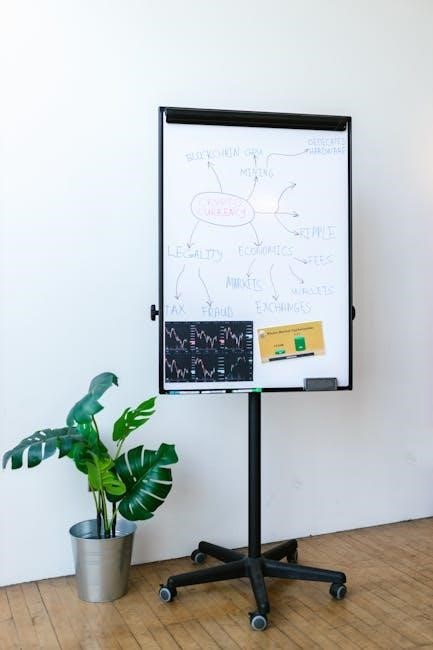
Beyond core blockchain interaction, libraries like hex and serde are crucial for handling cryptographic operations and data serialization․ Choosing the right library depends on the target blockchain and the specific application requirements, but Rust’s package manager, Cargo, makes dependency management straightforward․
Building a Blockchain Explorer with Rust
Creating a blockchain explorer in Rust involves fetching data from a blockchain node and presenting it in a user-friendly interface․ Frameworks like Rocket or Actix-web are excellent choices for building the web server and API endpoints․ These frameworks handle routing, request handling, and response serialization efficiently․
You’ll need to interact with the blockchain using libraries specific to the target network – for example, ethers-rs for Ethereum or solana-sdk for Solana․ Data retrieval includes blocks, transactions, and account balances․ Consider using a database like PostgreSQL to cache frequently accessed data for performance․ Many Rust for blockchain application development PDF resources detail database integration․
Deploying Rust-Based Blockchain Applications
Deploying Rust-based blockchain applications varies significantly depending on the target blockchain․ For Solana programs, you’ll utilize the Solana CLI to deploy your compiled Wasm module to the cluster․ This involves paying transaction fees in SOL․ Detailed guides within Rust for blockchain application development PDF materials cover this process extensively․
Polkadot deployments, using Ink! smart contracts, require uploading the Wasm to the Polkadot network via a transaction․ Similarly, NEAR contract deployments involve submitting the compiled code to the NEAR blockchain․ Consider using tools like Anchor for streamlined deployment workflows․
For applications interacting with existing blockchains, deployment often means deploying the Rust backend to a cloud provider like AWS, Google Cloud, or Azure․ Ensure proper configuration of networking, security, and monitoring for a robust and scalable deployment․
Advanced Rust Concepts for Blockchain
Delving into advanced Rust concepts unlocks powerful capabilities for blockchain development․ Mastering unsafe Rust allows fine-grained control over memory management, crucial for performance optimization, though requiring careful attention to avoid vulnerabilities․ Macros enable code generation, reducing boilerplate and enhancing flexibility, often detailed in Rust for blockchain application development PDF resources․
Asynchronous programming with async/await is vital for handling concurrent operations efficiently, essential for blockchain nodes processing numerous transactions․ Understanding traits and generics facilitates writing reusable and adaptable code․ Explore Rust’s ownership and borrowing system deeply to prevent data races and memory leaks;

Furthermore, familiarity with FFI (Foreign Function Interface) allows integration with existing C or C++ libraries, potentially leveraging established cryptographic implementations․ These advanced techniques, thoroughly covered in specialized guides, elevate your blockchain applications’ security and performance․
Zero-Knowledge Proofs with Rust
Implementing Zero-Knowledge Proofs (ZKPs) in Rust enhances blockchain privacy and scalability․ ZKPs allow proving the validity of information without revealing the information itself, crucial for confidential transactions and identity management․ Several Rust crates, like bellman and zk-snark, provide tools for constructing and verifying these proofs, often detailed in Rust for blockchain application development PDF guides․
Rust’s strong type system and memory safety features are particularly beneficial when working with the complex mathematics underlying ZKPs, minimizing the risk of errors․ Understanding concepts like elliptic curves, polynomial commitments, and proving systems is essential․
ZKPs are increasingly used in Layer-2 scaling solutions and privacy-focused blockchains․ Resources and tutorials, frequently available as downloadable PDFs, demonstrate how to integrate ZKPs into your Rust-based blockchain applications, enabling advanced functionalities and improved user privacy․

Formal Verification of Rust Blockchain Code
Formal verification is a critical process for ensuring the security and correctness of blockchain code, and Rust lends itself well to this practice․ Unlike traditional testing, formal verification uses mathematical methods to prove that code behaves as intended, eliminating vulnerabilities․ Resources detailing this process are often found in comprehensive Rust for blockchain application development PDF documents․
Tools like Rust’s built-in ownership system and borrow checker contribute to code reliability, but formal verification takes it further․ Frameworks such as Isabelle/HOL and Coq can be integrated with Rust to create rigorous proofs of code properties․ This is especially important for smart contracts and core blockchain logic․
While challenging, formal verification significantly reduces the risk of exploits and bugs․ Learning materials, often available as downloadable PDFs, guide developers through the process, covering specification languages and proof techniques for secure blockchain development with Rust․
Future Trends in Rust Blockchain Development
The future of Rust in blockchain development is incredibly promising, with several key trends emerging․ Expect increased adoption of zero-knowledge proofs (ZKPs) implemented in Rust, enhancing privacy and scalability․ Further integration with frameworks like Solana, Polkadot (via Ink!), and NEAR will continue, driving innovation․ Detailed insights into these trends are often compiled in Rust for blockchain application development PDF guides․
Interoperability between different blockchain networks is another significant area․ Rust’s performance and safety features make it ideal for building cross-chain bridges and communication protocols․ We’ll also see advancements in formal verification techniques, solidifying the security of Rust-based blockchain systems․
Moreover, the development of more sophisticated tooling and libraries will lower the barrier to entry for developers․ Expect more comprehensive educational resources, including updated PDF documentation, fostering a larger and more skilled Rust blockchain developer community․
Resources for Learning Rust and Blockchain
Embarking on your Rust and blockchain journey? Numerous resources are available! Udemy offers “The Complete Rust Programming Course,” providing a solid foundation․ For focused blockchain learning, explore courses like “Rust Programming for Blockchain: Fundamentals for Solana, ICP, NEAR, and Polkadot Development․” Many developers begin with basic blockchain simulations built in Rust, readily available online as tutorials․
Dive deeper with official Rust documentation and the Cargo package manager resources․ Explore the Solana documentation for smart contract development using Rust․ Ink!, the Rust smart contract language for Polkadot, has its own dedicated documentation and tutorials․ Don’t overlook community forums and Rust-focused blockchain groups․
For consolidated learning, search for “Rust for blockchain application development PDF” to find comprehensive guides․ These PDFs often cover everything from setup to advanced concepts, streamlining your learning process and providing a valuable reference․